
Current Efforts and Future Impact
By Arya Patri and Olivia Foss
Peacekeeping is designed to help countries move from conflict to peace by providing security, supporting political processes, and promoting human rights. UN peacekeepers are deployed to conflict zones to maintain peace, protect civilians, and support recovery, working under principles of consent, impartiality, and limited use of force. In Lebanon, the UN has been involved in peacekeeping for decades, with missions like the United Nations Truce Supervision Organization (UNTSO) and the United Nations Interim Force in Lebanon (UNIFIL) playing key roles in managing the country’s complex conflicts. From border disputes to political unrest, these missions have aimed to stabilize Lebanon in a region where tensions often run high. However, despite the UN’s long-standing presence, Lebanon continues to face serious challenges, particularly with Hezbollah and ongoing tensions with Israel. This raises an important question: How effective are UN peacekeeping efforts in bringing lasting peace to Lebanon, or do they just provide a temporary fix in a country where conflict never seems to end?
UN Missions in Lebanon
The UN’s presence in Lebanon has been vast and extensive. Since almost its inception, the UN has been involved with Middle Eastern affairs and conflicts within Lebanon. The United Nations Truce Supervision Organization (UNTSO), established in 1948, is the UN’s oldest peace keeping mission. While it was established to monitor and enforce the partition of Palestine, it has now evolved to fill a wider role as a peacekeeping and security force in the region. In Lebanon, UNTSO operated under the Observer Group Lebanon to support peace and provide monitoring support to other UN operations within Lebanon and other Middle Eastern nations. The UN states that “the UNTSO currently provides military observers to two UN missions in the area[.]” One of which is the United Nations Interim Force in Lebanon (UNIFIL) in south Lebanon. Currently, the UNTSO works with the United Nations Observation Group in Lebanon (UNOGIL) and UNIFIL.
The UNOGIL formed in May 1958 to monitor Lebanon’s borders and prevent illegal arms infiltration during a period of political crisis which erupted when President Camille Chamoun announced plans to amend the Constitution to allow his re-election. The conflict, starting in Tripoli, spread across Beirut and northern areas near Syria, evolving into a near civil war. Lebanon accused the United Arab Republic (UAR), a union between Syria and Egypt that lasted from 1958 to 1961, of inciting rebellion by supplying arms and personnel from Syria. The UN Security Council addressed Lebanon’s request for aid and military support, initially postponing debate to allow mediation by the League of Arab States. When mediation failed, the Security Council adopted Resolution 128, establishing the UNOGIL to monitor and prevent illegal arms inflows across Lebanese borders. By October of that same year, this UN mission was disbanded due to agreements with the Jordanian government and the withdrawal of Lebanon’s complaint about the supply of arms and personnel from Syria in order to maintain relations with the UAR. By maintaining a neutral presence, UNOGIL contributed to de-escalating tensions and ensuring the peaceful transition of power. Its work supported the resolution of the conflict, culminating in the election of President Fuad Chehab, which restored relative stability. However, despite its short-term success, UNOGIL was unable to prevent long-term border and security issues within Lebanon, despite its diverse range of manpower resources.
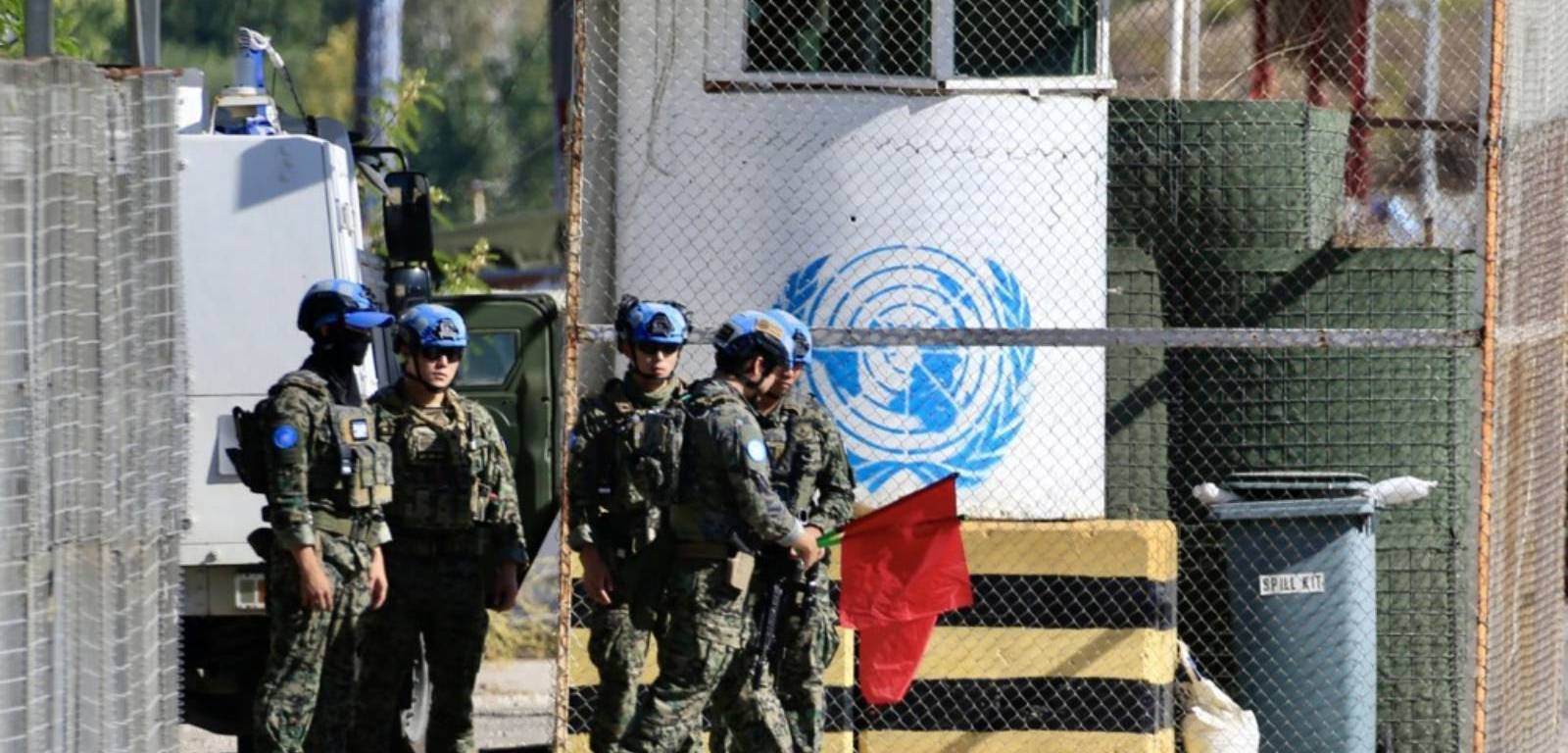
UNIFIL was initiated in 1978 and spawned from the UNTSO to confirm Israeli withdrawal from Lebanon and help restore peace. Israeli troops were originally in Lebanon to address ongoing security issues from the terrorist organization – Hezbollah. UNIFIL’s role expanded after the 2006 Lebanon war to monitor a cessation of hostilities, support the Lebanese Armed Forces, and ensure the area between the Litani River and the Blue Line (border demarcation established by the United Nations in 2000 to confirm Israel’s withdrawal from southern Lebanon after its occupation from 1982) remains free of unauthorized armed personnel. Later on, UNIFIL’s role expanded significantly due to the UN Security Council Resolution 1701, which allowed UNIFIL to monitor hostilities and support the Lebanese Armed Forces (LAF). It was now able to not only ensure Israeli withdrawal from southern Lebanon, but allowed for Lebanese Armed Forces deployment alongside an enhanced UNIFIL to secure the region, which prevented unauthorized arms transfers to non-state actors, notably Hezbollah. Today, peacekeepers from 41 countries conduct daily ground and air patrols, supported by a Maritime Task Force patrolling Lebanon’s coast to prevent illegal arms entry. The Blue Line marking project, begun in 2007, involves demining efforts and placing blue barrels – physical markers placed by UNIFIL to delineate the boundary between Lebanon and Israel to reduce cross-border friction, a barrier that prevents border crossings between Lebanon and Syria.
Ongoing threats and security issues pertaining to conflicts with Hezbollah and Israel have recently led to the reauthorization of UNIFIL’s mandate, despite political protest within the UN Security Council (UNSC). The UNIFIL faces significant limitations in enforcing UN Security Council Resolutions, particularly Resolution 1701, due to repeated violations by both Israel and Hezbollah. Despite its presence, UNIFIL operates under a peacekeeping mandate, meaning it lacks the authority or capacity to impose measures against violations without the consent of involved parties or without escalation into a military role. The conflict between Hezbollah and Israel has continued – facing an escalation recently amidst the ongoing war that Israel is a part of. As of now, the death toll has surpassed 3,000 in the past 3 monthsand tensions are rising. The significance and the value of the UNIFIL has been called into question due to the human cost of the operation and the continuation of the ongoing conflict.
Despite its role in providing security during the various conflicts within the Middle East over the past 80 years, the UNTSO has its drawbacks. It has been especially criticized for its limited presence, given the current situation in the Levant, such as its failure to mitigate the Syrian civil war and ease border tensions between Lebanon and Israel. Additionally, the impact of UN politics, compounded by regional political disputes, has severely inhibited the role the UNTSO has played in border security. Still, some critics argue that UNTSO’s border policing is too strict, largely due to its closed military crossing points and sealed “access points” on the Golan. Similar to the UNOGIL, UNTSO was unable to provide long lasting peace and instead provided momentary reprieve to long-lasting issues within Lebanon.
Future Implications for Peacekeeping
Looking ahead, UN peacekeeping in Lebanon will likely face even more complex challenges, particularly as the influence of Hezbollah grows and tensions with Israel remain high. While the missions of UNIFIL and UNTSO have provided critical peacekeeping support, Lebanon’s ongoing instability, marked by political fragmentation, weak governance, and economic crisis, requires a different approach. Future peacekeeping efforts must go beyond monitoring ceasefires and patrolling borders. They will need to focus on long-term peacebuilding initiatives, such as strengthening Lebanese institutions, promoting political reconciliation, and addressing the economic challenges that fuel conflict. With Hezbollah’s presence and activities complicating peace efforts, UN peacekeepers will need to navigate the complex regional challenges that weaken stability. Additionally, the role of non-state actors, such as armed groups operating in the region, will require enhanced coordination between military, political, and humanitarian actors to address both the immediate security concerns and the underlying causes of conflict. As Lebanon faces the continued threat of foreign intervention, UN peacekeeping missions will need to adapt by working closely with local leaders and communities to build trust, while also helping to establish strong, effective political institutions that can ensure long-term stability and self-sufficiency in Lebanon. By integrating security, political, and economic strategies peacekeepers can move beyond temporary ceasefires to support a lasting and meaningful peace process in Lebanon.
This piece is a reproduction from its original issue in Hemispheres Volume 48 Issue 1. Read more here.
 Hemispheres