
Latest
2025 Journal Issue: Trading Places
View the latest issue of Hemispheres (vol. 48, no. 20) here or by clicking the image below. Congratulations to this year’s four authors! The following letter from our executive board offers a prolegomenon to the journal and annual theme, “Trading Places.” As students of international affairs, power is the language we first learn to speak.… Continue reading 2025 Journal Issue: Trading Places


Economics of Bukele
By Thomas Border and Alexa Licairac With its 6.3 million inhabitants, El Salvador is the smallest and yet most densely populated country in Central America. Historically, its economy has been largely agricultural, until periods of industrialization in the 1960s and 1970s. By 2019, when Nayib Bukele came to power, El Salvador was struggling with a… Continue reading Economics of Bukele

The Other Southern Border
By Julia Rottenberg and Emilia Ferreira What is the Darién Gap? The process of immigrating to the US starts long before migrants arrive at the border. Around 3,000 miles south of the US-Mexico border lies another border: “The Darién Gap.” As the only land-based pathway that connects South and Central America, the 66-mile jungle straddling… Continue reading The Other Southern Border
From Democracy to Military Rule
From Democracy to Military Rule: The Rise of Coups in Francophone Nations By Alpha Traore In the past 3 years, a series of coups have rippled through Francophone nations in Africa. Mali, Burkina Faso, Niger, and Guinea in West Africa, have all experienced military uprisings that disrupted civilian-led governments. Each event puts a particular accent… Continue reading From Democracy to Military Rule
Gen Z’s Unrest with Kenya’s Economic Status Quo
By Mary Anna Joyce President William Ruto campaigned in 2022 on the promise of implementing economic policies that would pull Kenya’s middle class out of poverty. Rather than carrying out this espoused agenda, Ruto continued adding to the national debt and mishandling loaned money from foreign governments and international organizations. When the Finance Bill 2024… Continue reading Gen Z’s Unrest with Kenya’s Economic Status Quo
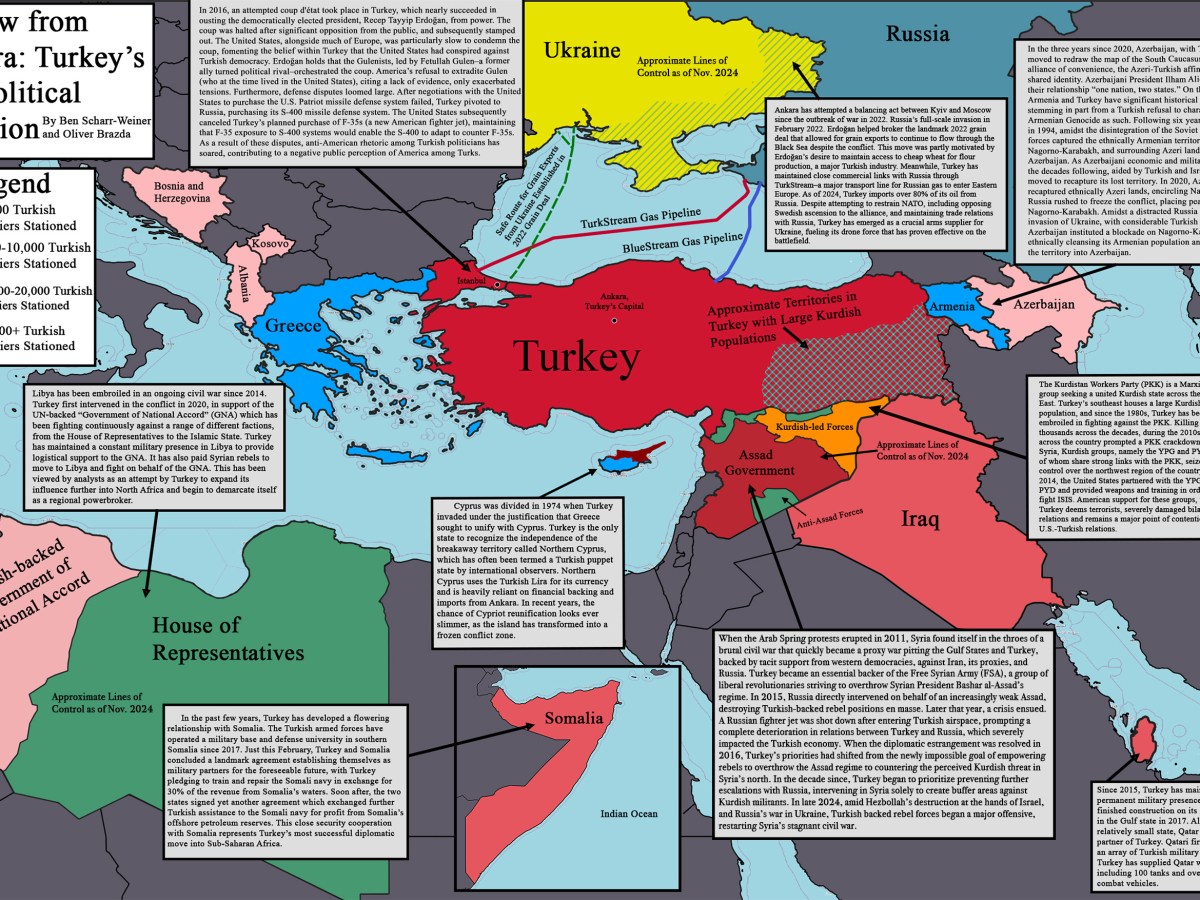
A View from Ankara
Turkey’s Geopolitical Situation By Oliver Brazda and Ben Scharr-Weiner Continue reading A View from Ankara
NGOs and the Kurdish Language in Istanbul, Turkey
By Leo Deener The Kurdish population of Turkey has been violently repressed since the establishment of the Turkish Republic. Mustafa Kemal Atatürk founded Turkey under Kemalism, an ideology of sweeping reform aimed at distinguishing the new nation from the Ottoman Empire and embracing Westernization. Symbolized by the Six Arrows—Republicanism, Nationalism, Secularism, Statism, Reformism, and Folkism—Kemalism… Continue reading NGOs and the Kurdish Language in Istanbul, Turkey
The Political Geography of the Middle East
Can Land Influence Political Culture? By Derin İçinsel In the international sphere where an infinite number of variables determine states’ politics, one fact remains permanent: geography. States are bounded by the geographies they inhabit, not just in terms of geopolitics and their proximity to other crucial actors, but also their topography, access to important natural… Continue reading The Political Geography of the Middle East
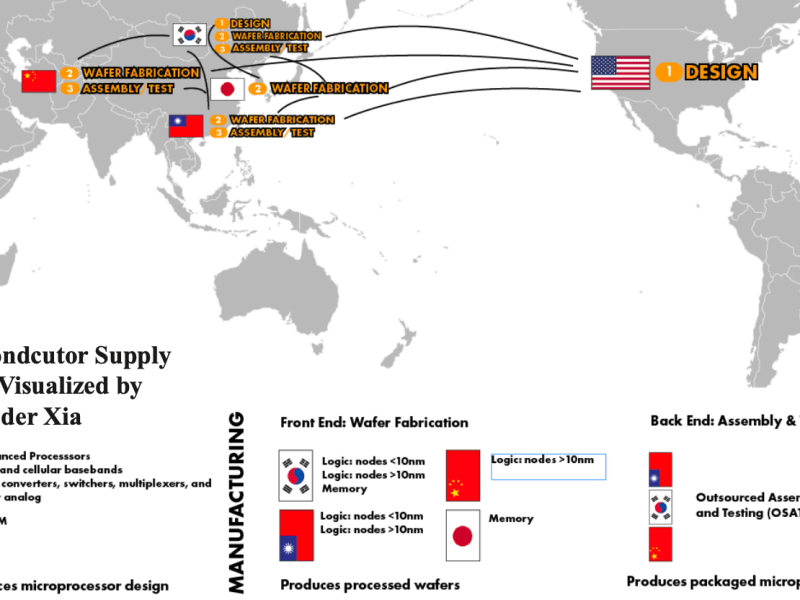
Taiwan’s Divisive Monopoly Over Semiconductors
By Karsten Lyle and Alexander Xia Global reliance on Taiwan for semiconductor production has emerged as a critical issue, with far reaching economic and geopolitical consequences. Semiconductors, or chips, are small pieces of integrated circuits carrying tens of billions of transistors and powering various technologies. In fact, almost every conceivable piece of technology, from automobiles… Continue reading Taiwan’s Divisive Monopoly Over Semiconductors

Hedging in Southeast Asia
By Gigi Copeland and Khue Edwards China’s ascendance on the international stage has in recent years become one of the most widely discussed phenomena in international relations. However, such conversations are almost always in reference to the US-China rivalry, while smaller players in China’s game who face direct consequences are often overshadowed. Vietnam and the… Continue reading Hedging in Southeast Asia
Flashpoints in East Asia
Foreign Policy Perceptions in Washington and Beijing By Theodorus Ng and Miles Bondi The ever-intensifying strategic competition between the US and China has conjured fears over a potential World War III. Our article analyzes foreign policy rhetoric from Washington and Beijing toward the most visible flashpoints in East Asia—Taiwan, the South China Sea, and the… Continue reading Flashpoints in East Asia
A Gulf Dream or Nightmare?
An Economic Analysis of Remittances and Inequality By Naisha Luthra It is June 12th, 2024, 4:30 a.m.. A fire breaks out in a six-story building located in the coastal city of Mangaf in southern Kuwait. The building housed many low-income immigrants, a majority of them Indian citizens. Amongst the 200 individuals packed inside the small… Continue reading A Gulf Dream or Nightmare?
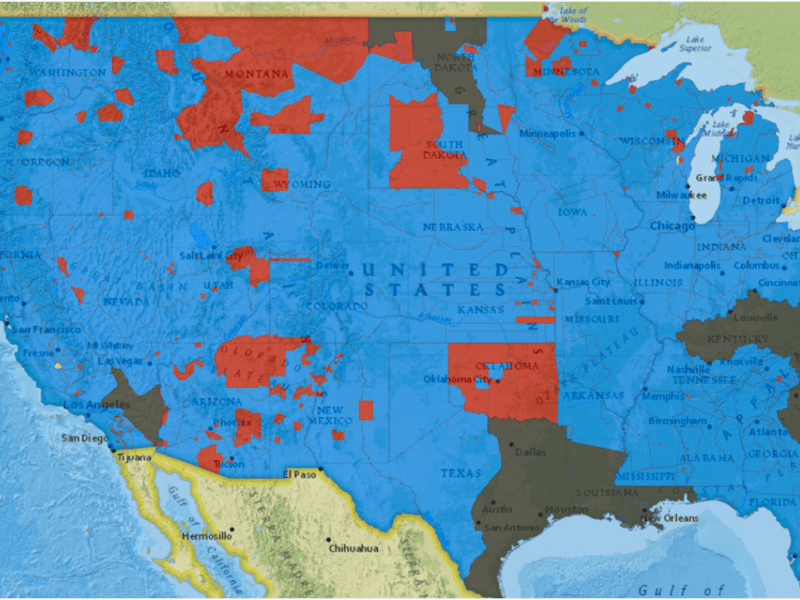
Fragments of Sovereignty
A Historical Analysis of Settler Colonialism in United States and Palestine By Vanessa John and Sharon Li The “Postcolonial Age” refers to the period following World War II, when colonies of Western imperial countries gained independence. Yet, in modern times, the realization of a truly postcolonial age remains elusive. Colonialism endures in the status quo,… Continue reading Fragments of Sovereignty
Families Are Universal, But Not Their Policies
A Cross-Cultural Analysis By Emily Lupinacci In the eyes of global governments, families are more than just people who come over on Thanksgiving to talk about school and the weather. The unique traditions, historical contexts, and economic development of individual countries greatly influence social attitudes toward work and family policies. Recently, these policies have evolved… Continue reading Families Are Universal, But Not Their Policies
Migration and Disinformation
Crafting a Security Threat By Zoe Raptis One of the most pressing security concerns today does not involve weapons but people. While the securitization of migration is not a new phenomenon, it has intensified significantly in recent years, with migration increasingly framed as a major threat to national security by world leaders. Migration, especially issues… Continue reading Migration and Disinformation
The Past, Present, and Future of the International Criminal Court
By Alison Cedarbaum, Arjun Moogimane, and Henry Sadlowski Since its inception, the International Criminal Court (ICC) has existed as a global champion of human rights, an object of anti-colonial scorn, and a metaphor for the challenges and potential of international institutions. Researching the Court generates a series of important questions: What necessitated the Court’s creation?… Continue reading The Past, Present, and Future of the International Criminal Court
Ancient Realism Revisited
By Daniel Chung In recent decades, as scholars attempt to square American liberal internationalism with the remaining prevalence of war, discourse in international relations theory has been oriented to providing a normative foundation for armed international intervention. Recall, for example, that those defending US intervention in Afghanistan up to the last second argued that America… Continue reading Ancient Realism Revisited

Mitigating Diseases During Wartime
By Sravya Dontharaju and Dawson Chang Around the world today, over 14 million children have never received a vaccine. Over half of these children live in ten countries, mostly in Africa or the Middle East, that are currently engaged in war. The UN is currently off track in meeting its goal to halve the number of unvaccinated… Continue reading Mitigating Diseases During Wartime
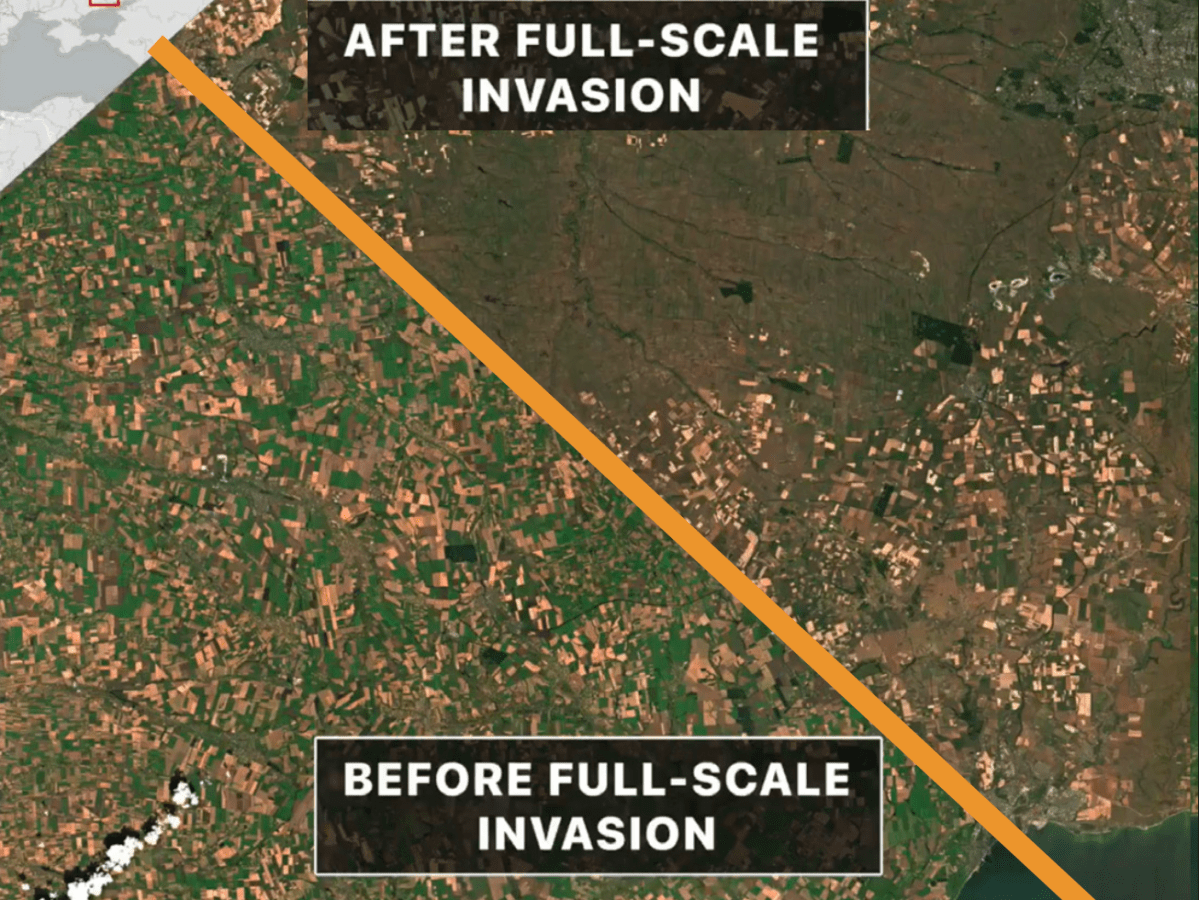
Our Environment, the Forgotten Victim of War
By Jake Lanier In recent years, wars have broken out across the world, dominating the news. It is as if one cannot go a day without confronting the political, humanitarian, and economic fallout of wars like those in Ukraine or the Middle East. But what of their consequences for our planet? Although ecological damage is… Continue reading Our Environment, the Forgotten Victim of War
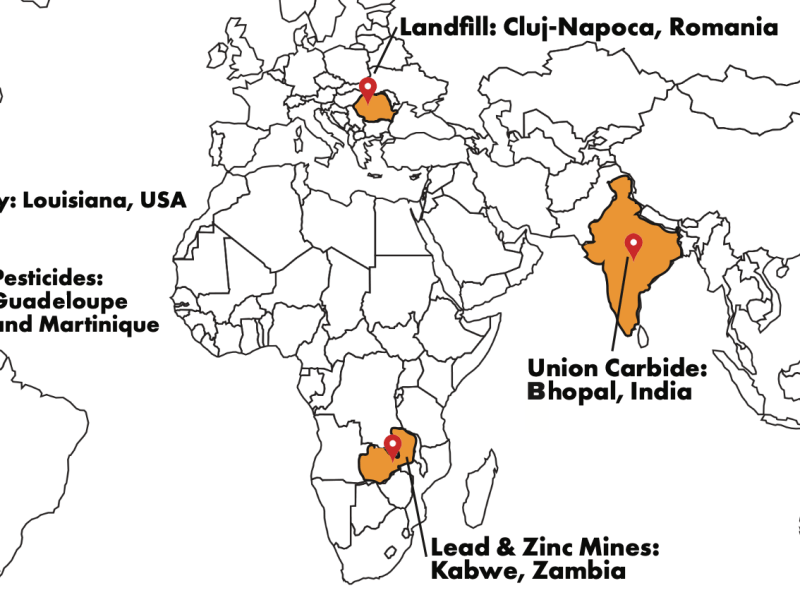
Echoes of Bopal
The Crisis of Sacrifice Zones and International Chemical Dumping By Christina Bellin December 3, 1984: the methyl isocyanate tank in the Union Carbide plant in Bhopal, India exploded, leaking 40 tons of toxic gas into the air and ground around the plant. Nearly four thousand people died that night and more than 20,000 died the following… Continue reading Echoes of Bopal
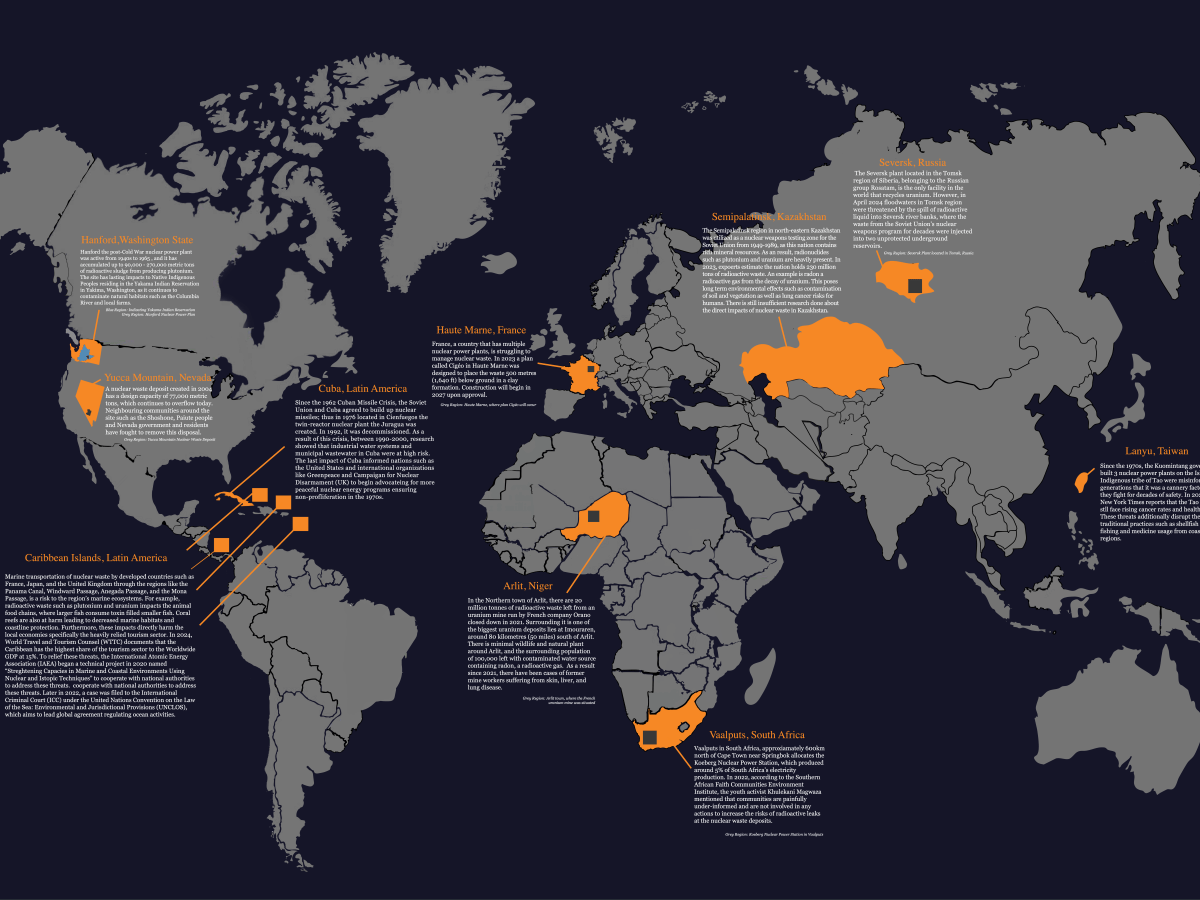
Tracing the Legacy of Nuclear Waste
By Briana Chen This piece is a reproduction from its original issue in Hemispheres Volume 48 Issue 1. Read more here. Continue reading Tracing the Legacy of Nuclear Waste

The Hidden Victims of Nuclear Waste
By Monica Reilly The Yucca Mountain has, for centuries, been a home and a sacred space to the Shoshone and Paiute peoples. So when there were plans in 2004 to turn the mountain into a nuclear waste dump, people fought back: first the Shoshone and Paiute peoples themselves, followed by environmentalists, and finally the government… Continue reading The Hidden Victims of Nuclear Waste
Bougainville Island
An Isolated Case or a Representative of a New Age for Independence Movements? By Max Druckman Historically, nations vying for independence have made international headlines and, sometimes, prompted international conflict. Yet, the international community’s next addition could be an obscure island in the South Pacific Ocean called Bougainville Island. The third largest of the Solomon… Continue reading Bougainville Island
Election Economics
By Patrick Moran and Taylor Nelder President Trump’s victory on November 5th, 2024, is yet another example of the right-wing surges that have characterized recent elections across the globe—a pattern that may be projected to continue. This trend can be attributed to various factors, ranging from increased migration pressure to disaffection towards the reigning liberal… Continue reading Election Economics
The World Goes to the Polls
By Tara Wirtschoreck This piece is a reproduction from its original issue in Hemispheres Volume 48 Issue 1. Read more here. Continue reading The World Goes to the Polls
For The People, By The People
By Arman Kassam When the US entered Afghanistan on October 7th, 2001, they did so with a goal in mind: regime change. More specifically, they forced a democratic government onto a country that had never truly had one. For a variety of reasons, from local corruption to the Taliban threat to public resistance, the experiment… Continue reading For The People, By The People

Hemispheres Magazine: Volume 48 Issue 1 Out Now!
We are ecstatic to announce the publication of our second magazine “Trading Places.” Here is a preamble from our editors on this new issue. Letter From the Editors Building on the success of last year’s inaugural Hemispheres magazine issue, this second issue invites readers to explore the theme “Trading Places” and its many manifestations in… Continue reading Hemispheres Magazine: Volume 48 Issue 1 Out Now!
Atrato-Truandó For Another Go?
By Lord Toussaint Time’s up. There is a strategic necessity for the United States to identify potential alternatives to the Panama Canal. For decades, the issue of the canal’s size constraints—and thus its viability as a shipping lane—has loomed large to observers of global trade. As of late, though, the primary cause for concern has… Continue reading Atrato-Truandó For Another Go?

UN Peacekeeping in Lebanon
Current Efforts and Future Impact By Arya Patri and Olivia Foss Peacekeeping is designed to help countries move from conflict to peace by providing security, supporting political processes, and promoting human rights. UN peacekeepers are deployed to conflict zones to maintain peace, protect civilians, and support recovery, working under principles of consent, impartiality, and limited… Continue reading UN Peacekeeping in Lebanon

A Tour of Independence Movements Around the World
By Aiden Wasserman Catalonia Catalonian independence has near total support in the region, culminating in a 2017 referendum in which 90 percent of voters supported independence, despite police crackdowns that scared many voters. Following a declaration of independence, Spain dissolved the local government, imposed its direct rule over Catalonia, and jailed many members. Despite the… Continue reading A Tour of Independence Movements Around the World
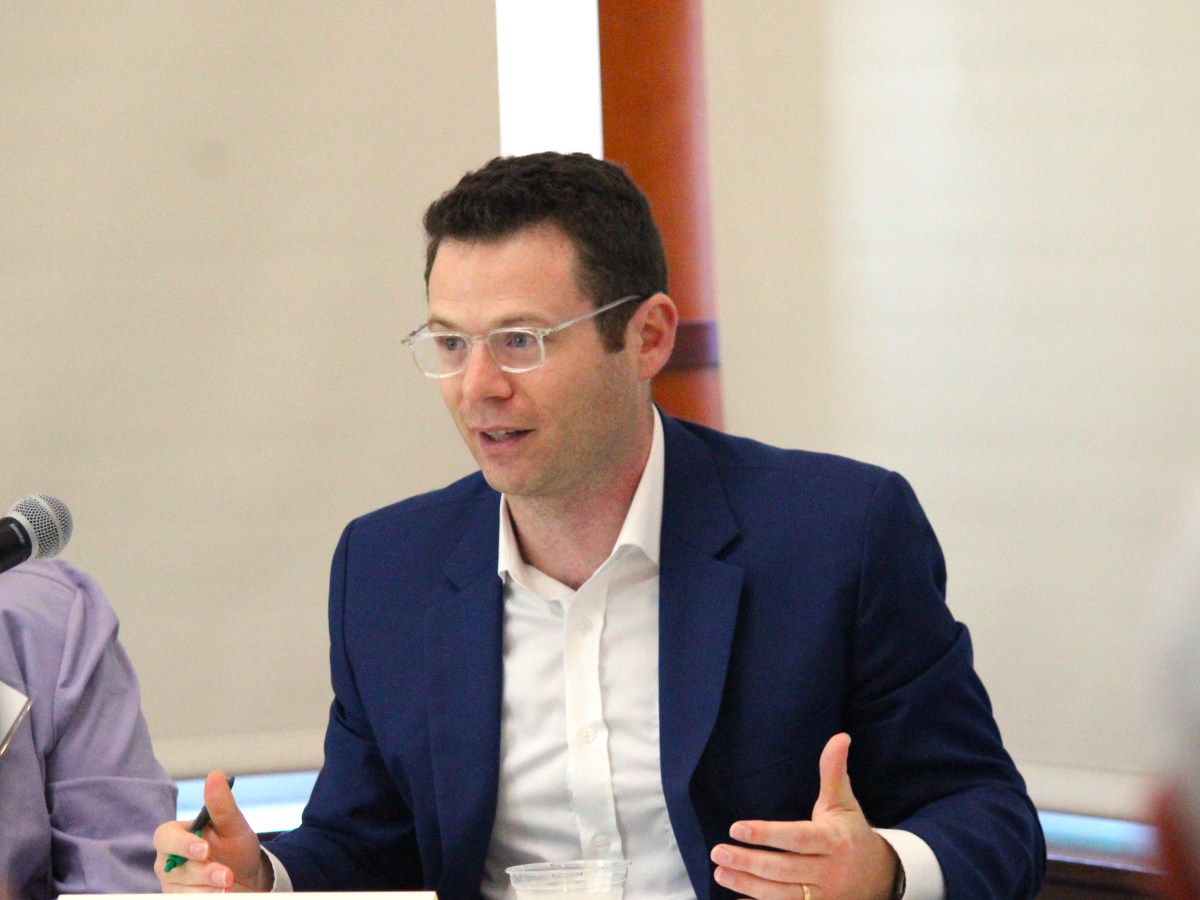
Energy Markets and Sanctions
Interview with Edward Fishman on U.S.-Russia Relations Zoe Raptis and Kaashvi Ahuja
Continue reading Energy Markets and Sanctions
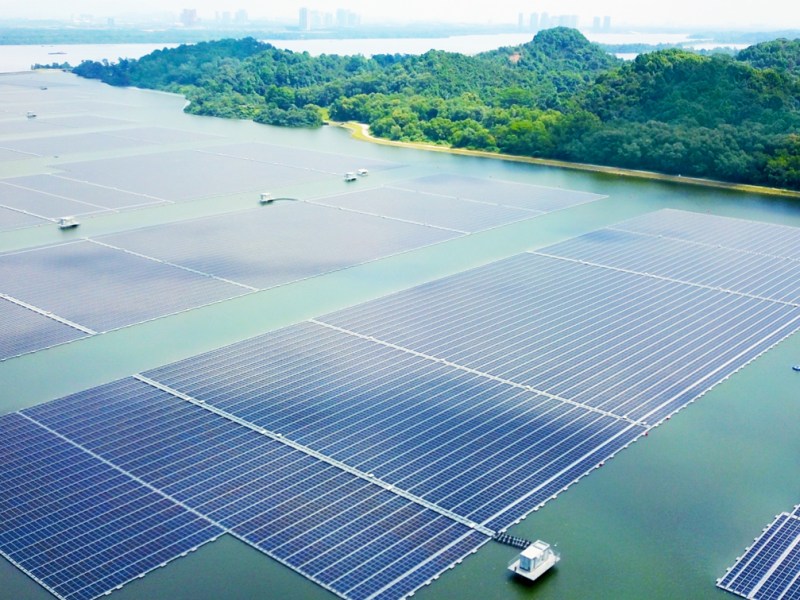
Powering ASEAN in 2050 and Beyond
Green Energy Pathways in Southeast Asia By Theodorus Ng The Association of Southeast Asian Nations (ASEAN), a regional bloc comprising ten member states, is slated to become the fourth largest economy in the world by 2030, with an anticipated 4.7 percent average annual increase in real GDP through to 2050. Yet, the region is already… Continue reading Powering ASEAN in 2050 and Beyond

New journal issue: “Currency of Power”
View the latest issue of Hemispheres (vol. 47, no. 2) here.
Continue reading New journal issue: “Currency of Power”

A Tour of Historical Memory
Between Latin America, Asia, and Africa
Continue reading A Tour of Historical Memory
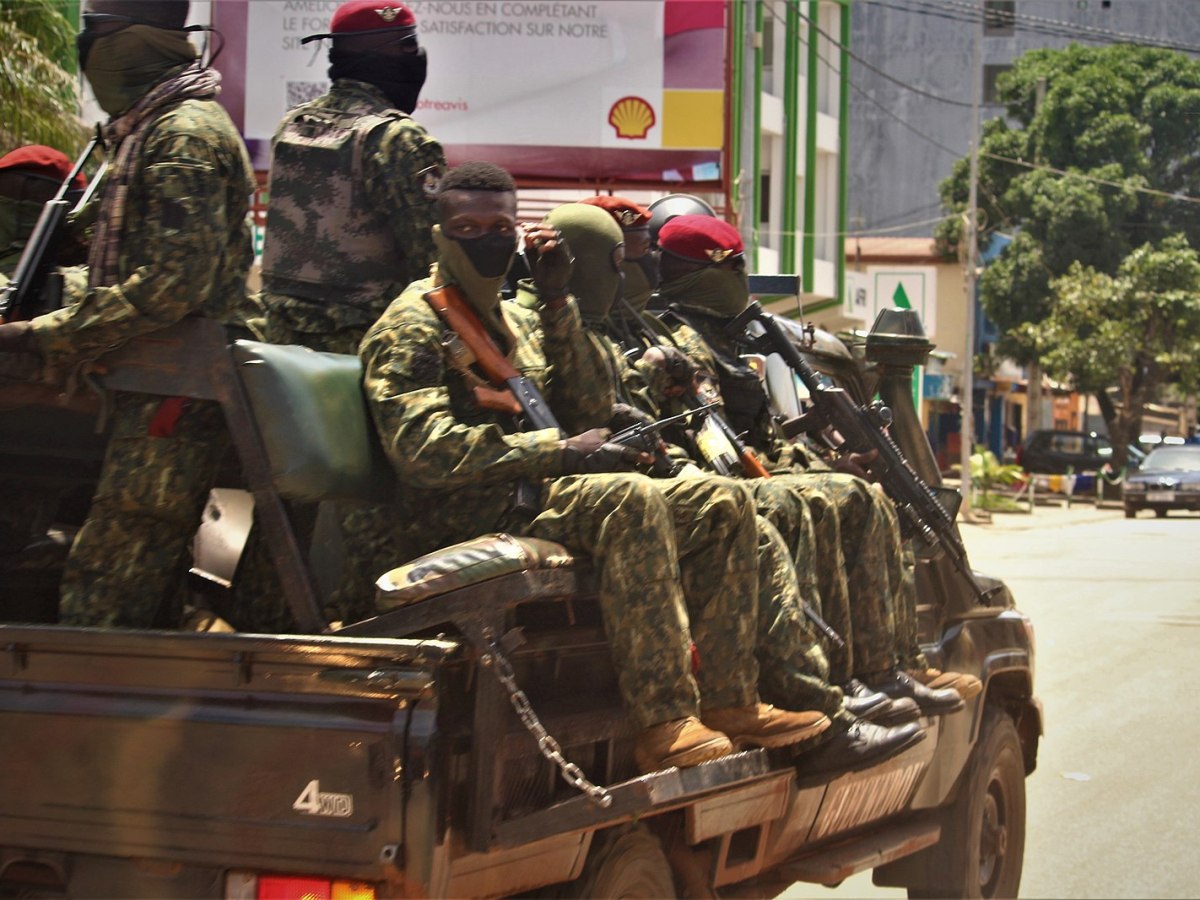
Implications of the 2023 Nigerien Coup d’État
Power Reshuffles in West Africa
Continue reading Implications of the 2023 Nigerien Coup d’État

The Solid Base of Liberal Internationalism
Contradictions and Criticism
Continue reading The Solid Base of Liberal Internationalism

 Hemispheres