
By Colby O’Connor
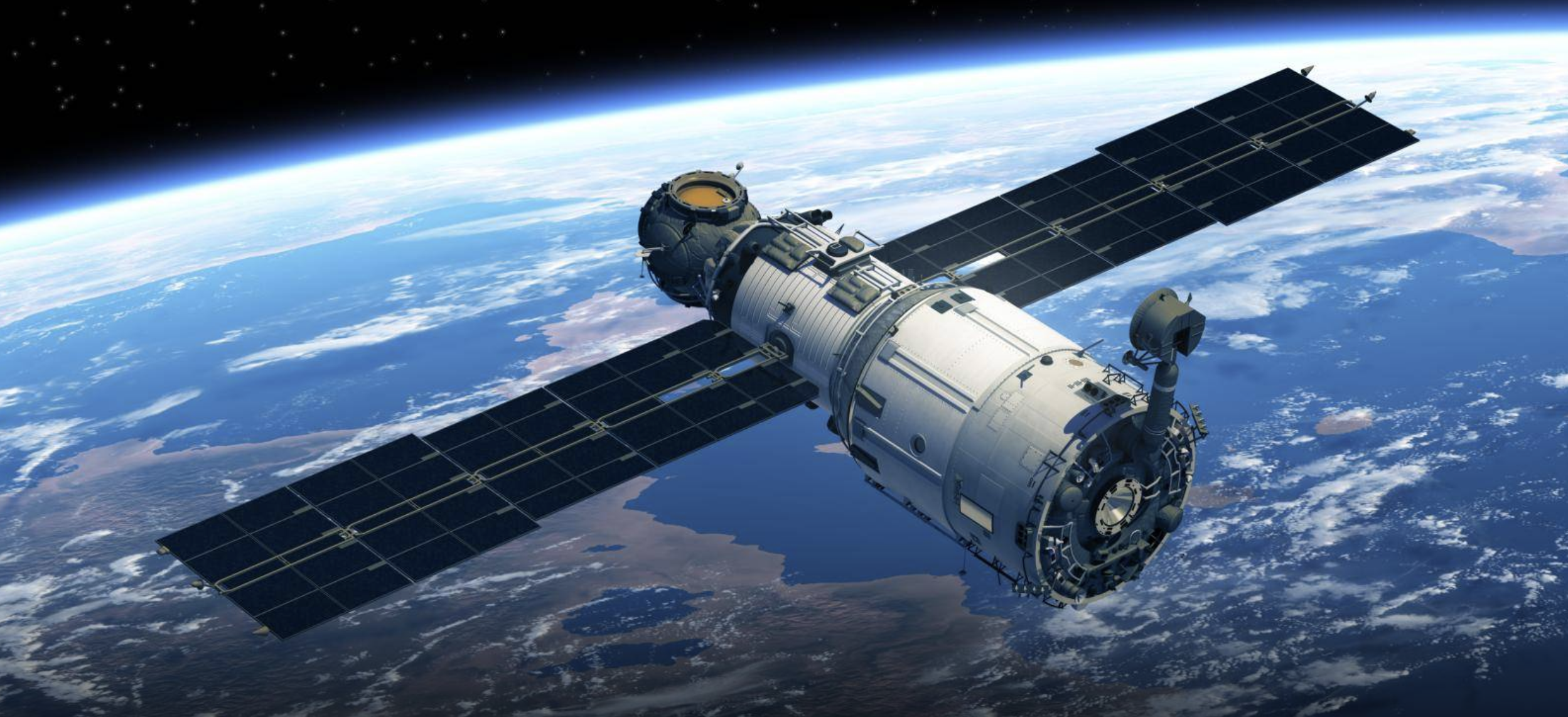
In a world wrought by war, there is one domain in which peace has persevered until now: space. Space has been lauded as an area of cooperation even amongst rivals, with the U.S. working with Russia on the International Space Station and international consensus on agreements such as the Outer Space Treaty. These agreements prohibit the use of nuclear weapons in space and state that the moon and other celestial bodies must be used for the scientific and economic advancement of all. Yet in spite of this, war in space looks ever more likely due to the security dilemma, and its impacts would be catastrophic.
The security dilemma states that an attempt to increase one’s security leads to other states feeling threatened, causing them to increase their security as well. It almost always leaves all parties worse off, and can often lead to war. War in space favors the attacker, as it is much easier to destroy a satellite than it is to protect one. Major powers have put this to the test, with the U.S., China, Russia, and India all having launched anti-satellite weapons (ASAT) against their own satellites. In addition to ASAT missiles, China has developed a satellite, the Shijian-21, with a robotic arm, used to clean up space debris.3 However, this can easily be used to attack neighboring satellites, meaning that the U.S. must treat a potentially civilian tool as a military threat.
Another reason the risk of conflict in space is increasing is the asymmetry of great powers’ reliance on satellite technology. The United States has over 8000 satellites while Russia and China have only 1500 and 800 respectively, leaving the U.S. much more vulnerable to attacks in space than other states. This further shifts the balance of space conflict towards offensive, first strike maneuvers on both sides, as the U.S. cannot allow a widespread attack on its satellite systems and may believe it must strike preemptively, while its rivals can gain a quick and decisive advantage from extensive satellite destruction.
War in space would have devastating effects, as the global economy is almost entirely dependent on satellites for communication and GPS navigation. The U.S. military, for example, uses satellites for over 80% of its communication and over 70% of its intelligence, and is therefore heavily reliant on its access to space. Yet the consequences of space warfare would be far more long lasting than disabled satellites, as each one destroyed leaves behind debris, rendering near space less usable for future technology as collisions become far more likely.
With the possibility of war in space becoming more imminent and dangerous as the world becomes more dependent on space, the United States must continue its leading role in space institutions. It should seek to find agreements with Russia and China over this issue, even while disagreeing over other domains. Without this, space could be rendered uninhabitable and full of debris, causing significant environmental and economic damage.
 Hemispheres