
By Nicholas Prather
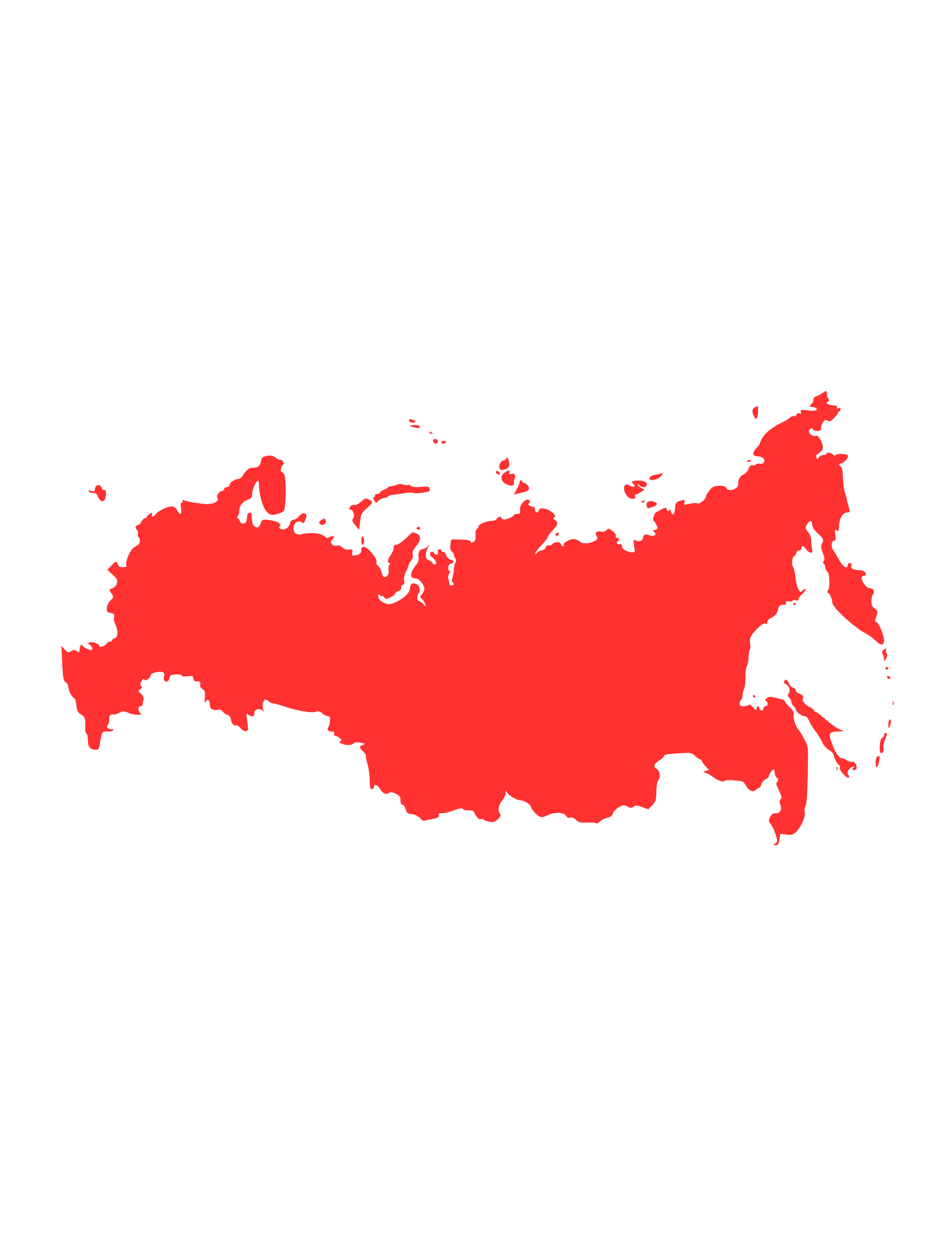
The incursion of Russian drones into Polish airspace on September 9 and 10 signaled the beginning of a new era in European collective security. Across two days, about two dozen drones, each costing approximately $11,800 to assemble, entered Polish territory. Some advanced hundreds of kilometers deep into the country and threatened vital NATO infrastructure before being shot down.
Similar Russian drone swarms breached the borders of Romania on September 13 and Estonia on September 19. Finland, Latvia, Lithuania, and Norway also faced violations. Suspected drone sightings in Denmark and Germany forced temporary closures of the Copenhagen and Munich Airport, cancelling and diverting dozens of flights. Cumulatively, this effort represents drone surveillance on an unprecedented scale across continental Europe. Although Russian President Vladimir Putin’s grand strategy likely boils down to a bolder form of saber-rattling, he also wants to ascertain NATO capabilities after national sovereignty violations of member states. Although not as existential as some European leaders purport it to be, NATO must still meet this challenge head-on and prove to Putin that a strong and mobilized Europe can check the Russian strongman’s worst ambitions.
Article 4, which allows member countries to bring an issue before the North Atlantic Council (NAC) for discussion, has only been invoked nine times in NATO’s history. Two of those instances followed Russia’s September offensives. On September 10, Polish Prime Minister Donald Tusk deemed the drone barrage a “large-scale provocation” and an “unprecedented violation” before calling for initial consultations in the NAC. Estonia then invoked Article 4 on September 23, and a separate NAC meeting occurred. After the September 10 meeting, Operation Eastern Sentry was launched by NATO as a means of bolstered deterrence along the alliance’s eastern flank. Following the September 23 meeting, allied aircraft were deployed to Estonia to help expel Russian drones. In October, calls were made for a European Drone Wall and an Eastern Flank Watch in the European Commission’s Defense Readiness Roadmap for 2030. The drone wall plan has been heavily criticized for its feasibility along a 3,000-kilometer long border. The Eastern Flank Watch aims to work with Eastern Sentry to integrate ground defense systems, maritime security, and counterdrone operations across the EU and NATO.
Collectively, these policies are a necessary first step in joint defense against the Russian drone threat but lack requisite practicality and coordination. One area for reform could be in the EU’s efforts to counter unmanned aircraft. The organization currently lacks the necessary multilateral coordination mechanisms for drone deterrence. Thus, military exercises could be plotted for specific counter-drone scenarios, whereby the European Commission can work with NATO HQ to establish liaison offices to test this policy. There is also room for the strengthening of deterrence infrastructure as specified by the parameters of the EU Critical Resilience Directive of 2024. Incursions into Polish airspace have galvanized necessary initial reactive actions, but there is still far more potential for European joint defense efforts to capture momentum and reestablish effective deterrence against an encroaching and aggressive Russia.
 Hemispheres