
By Lauren Cousino and Amy Zhao
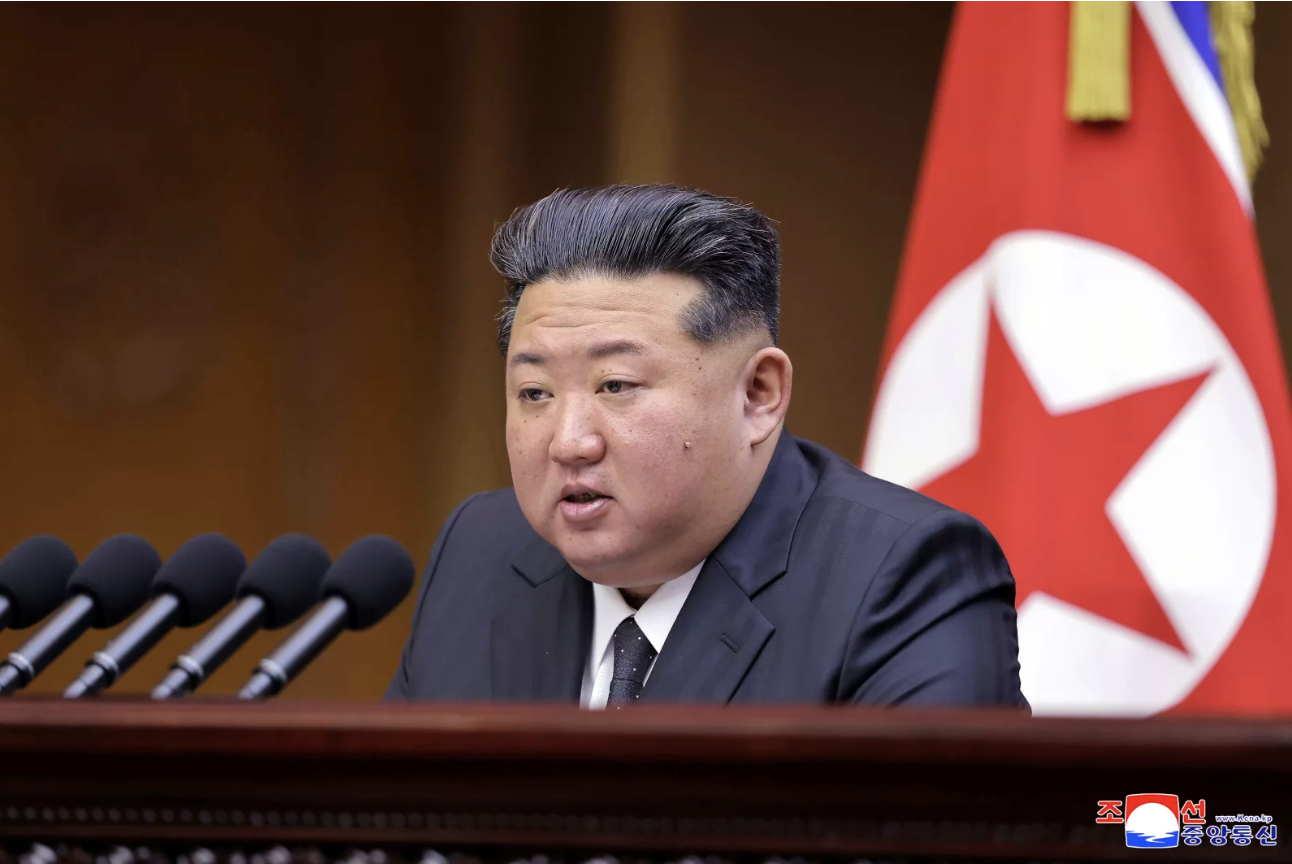
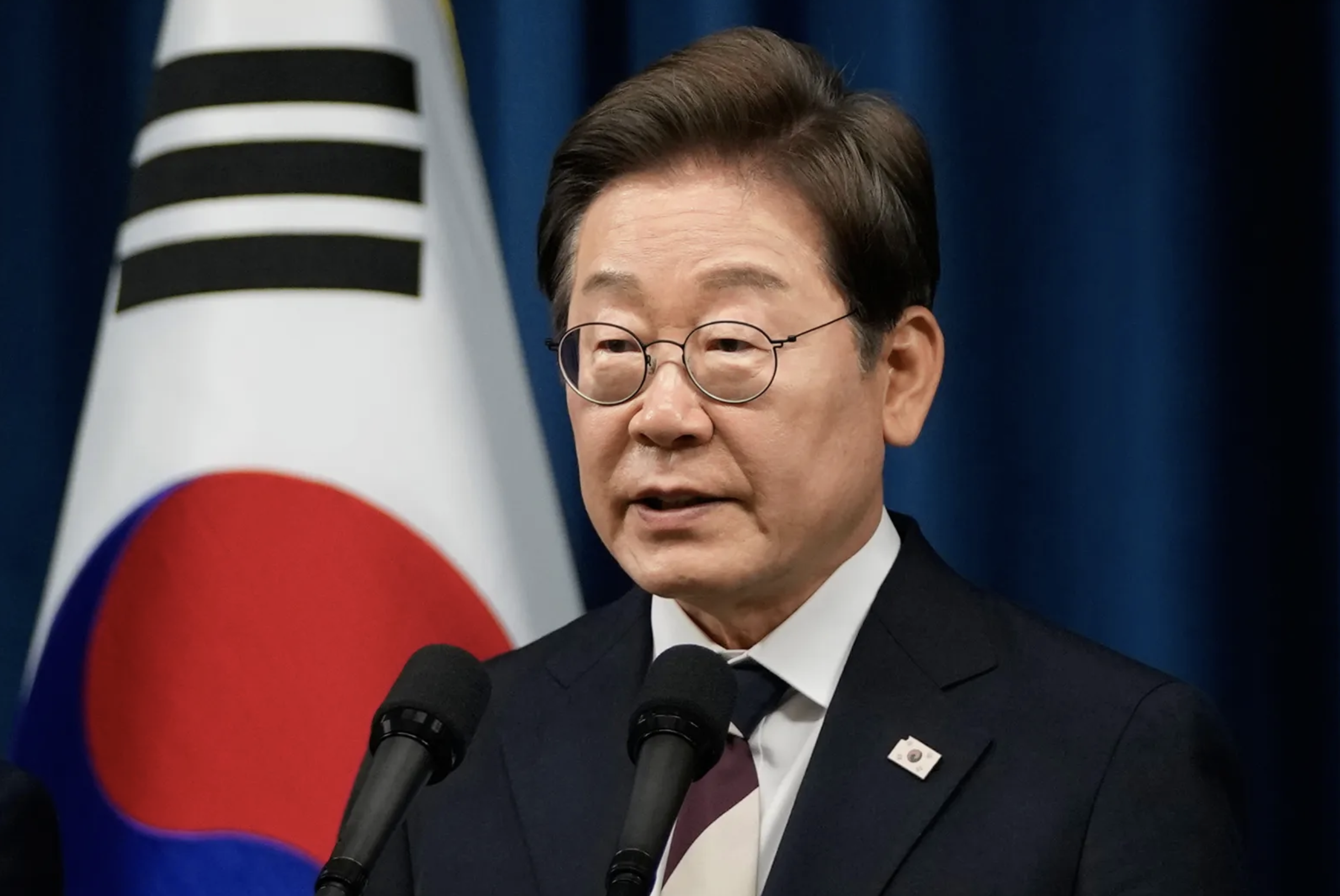
When people think of North and South Korea, they often focus on their stark differences. What began as a temporary division after Japan’s 1945 surrender solidified into a permanent split following the Korean War. This conflict gave rise to two divergent nations: North Korea projects power through its nuclear arsenal and military posturing, while South Korea exerts influence through its booming cultural exports, from Webtoons to films like K-Pop Demon Hunters. Despite their contrasting reputations, both nations employ a mix of hard and soft power to assert themselves on the world stage. An examination of their military strength, economic influence, and cultural reach reveals that the two Koreas defy their stereotypes as merely a militarized threat or a cultural powerhouse.
Military Capacity
Despite its small size, North Korea leverages its nuclear capacity to assert itself internationally—a form of traditional hard power. Employing a nuclear strategy of asymmetric escalation, North Korea deters potential conventional warfare from larger nations while showcasing its disciplined conventional forces in military parades, missile displays, and uniform marching as a form of soft-power swaggering. Through these demonstrations, North Korea challenges its reputation as an impulsive, hard-power-driven state. Its actions on the international stage are deliberate, framed around the goal of regime preservation.
In contrast, South Korea’s military strength is both significant and limited. The country ranks among the world’s top defense spenders, yet the presence of 30,000 U.S. troops on its soil makes full military autonomy difficult to achieve. However, recent debates about revising nuclear armament and expanding self-reliant military capabilities demonstrate a growing awareness of vulnerability, particularly amid rising tensions with North Korea and China. While South Korea is known for its cultural exports, its growing defense budget reveals another side—a nation shaped by geopolitics. Set to raise its defense budget by 8 percent in 2026, South Korea complements hard power with soft power, using cultural influence to project stability. This balance makes the nation appear less threatening in the global arena. As a mid-sized democracy surrounded by great powers, South Korea’s balance of culture and defense offers a model for nations like Taiwan seeking deterrence.
Economic Power
North Korea conceptualizes economic power primarily in material terms. After Soviet withdrawal, North Korea increased its nuclear weapons production for regime survival, funding the program through money laundering, cyberattacks, and forced labor in prison camps. This economic criminal cycle lets North Korea deter invasions and extract concessions through hard power. Kim Jong-il’s downplaying of the 1990s famine highlights how North Korea’s hard-power priorities dominate its policymaking, especially when confronting material shortage. Simultaneously, North Korea’s nuclear weapons program establishes prestige, attracting smaller anti-Western states and serving as a form of soft power. With few avenues for international engagement, North Korea emphasizes self-reliance, making its economic strategy a mix of hard and soft power that defines its unique position globally.
Emerging from postwar poverty, South Korea’s economic rise is often called the “Miracle on the Han River.” Though famous for its cultural exports, its economy relies heavily on automobiles and electronics. The nation’s success was driven by government-backed industrialization and the rise of powerful conglomerates known as chaebols, which came to dominate both domestic and global markets. This economic strength also functions as hard power: the size of South Korea’s economy can be as threatening as its military, giving it leverage through tariffs or shifting investment. Today, South Korea ranks among Asia’s strongest economies, drawing revenue from rising industries like cosmetics, which have surpassed U.S. brands in global markets. However, soft power has its limits. Although China imports many Korean cultural products, economic tensions continue. Disputes with the U.S. over tariffs, for example, reveal the limits of global integration. Still, soft power remains valuable: economic strength allows South Korea to assert more independence, helping it balance between the U.S. and China.
Cultural Influence
North Korea’s culture is highly restricted for outside viewers. Aside from limited intelligence into daily life, everything visible externally is crafted by North Korean propaganda ministers. Driven by extreme nationalism, grounded in the Juche ideology, and shaped by its geography and history of colonialism, North Korea identifies as a self-sustaining nation that must be protected from hostile imperial powers. On the international stage, North Korea acts in accordance with this isolationist perspective, relying on an “us versus them” mentality. The country vilifies other states and adopts isolationist tactics in its diplomacy, particularly toward the U.S. and South Korea. Although culture is typically considered a form of soft power, North Korea transforms it into a tool of hard power through swaggering displays that project dominance and defiance on the global stage.
Few countries have wielded cultural influence as effectively as South Korea. What began as a government initiative in the late 1990s to recover from the Asian financial crisis became a global phenomenon known as the “Korean Wave.” The state invested millions into cultural industries, building concert halls and even regulating karaoke bars to support K-pop’s growth. Today, Korean entertainment dominates global screens and playlists. Yet despite its cultural reach, South Korea has struggled to turn its soft power into tangible political leverage. Its popularity abroad has not insulated it from trade disputes or reliance on alliances. For instance, BTS’s 2022 visit to the White House spotlighted anti-Asian hate but remained largely symbolic, generating mostly media buzz. South Korea’s challenge lies in converting soft power into “smart power,” where outcomes, not just cultural capital or strength, define power. If South Korea can translate its cultural appeal into real-world influence, it will not only strengthen its own security and economic standing but also offer a model for other emerging middle powers navigating the system.
Despite their opposing images, North and South Korea’s uses of power prove more alike than they appear. As Japan’s remilitarization and China’s assertiveness reshape the region, Seoul is poised to expand its defense investments, while Pyongyang will likely double down on military posturing in response. Ultimately, the Koreas’ futures depend not just on their rivalry but on how effectively they leverage their alliances and balance coercion with persuasion in a polarized world.
 Hemispheres