China’s Debt Comes Due

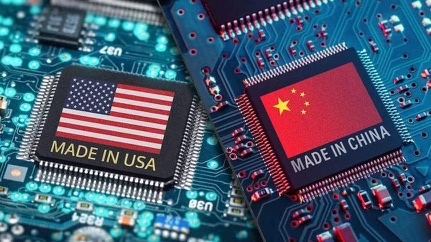
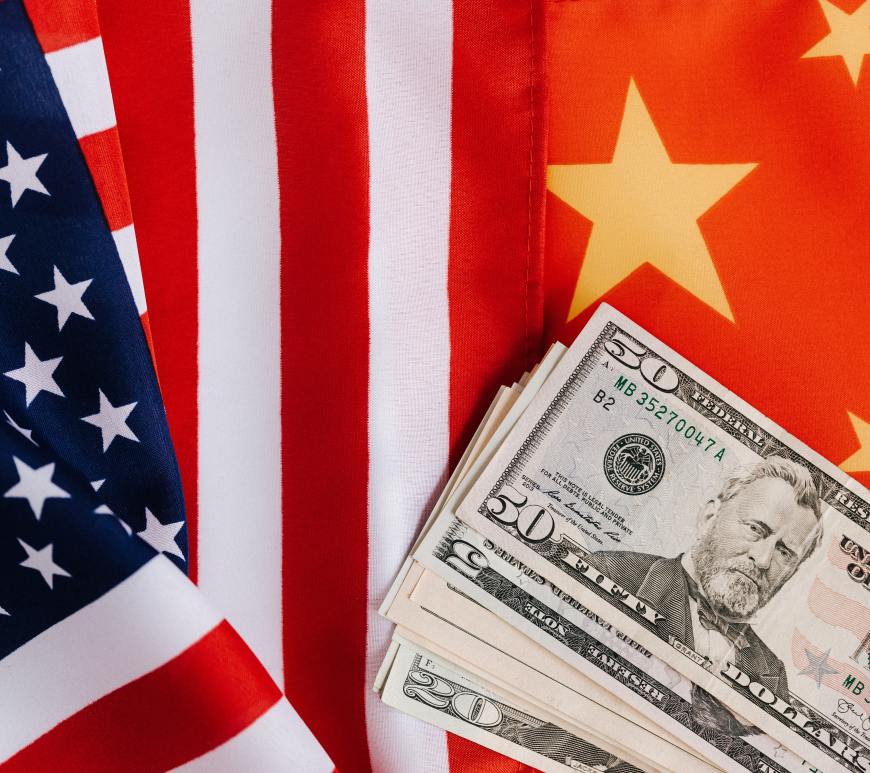
By Evan Krautheimer, Rogers Tan, and Sam Weinstein Since the 1990s, China has registered impressive growth rates, fueled by market-oriented reforms, extensive trade liberalization, and greater integration into global supply chains. This sustained expansion allowed the Chinese economy to outperform its peers, making it the second-largest economy globally, and rapidly closing in on US economic dominance. Historically, China’s GDP growth rate averaged an astounding 8.9% … Continue reading China’s Debt Comes Due

Taiwan: Identity Centered in Democracy

By Sam Liu Since lifting the martial law in 1987, Taiwan’s shift towards democratization catalyzed a wave of freedom for Taiwan’s youth; and the ensuing eight democratic elections, that observed three transitions of power, defiantly cement liberal democratic values at the doorsteps of Communist China. Taiwan’s democracy’s significance lies in not only a starkly contrasting Chinese authoritarian rule, but fostering a rise of the “Taiwanese” … Continue reading Taiwan: Identity Centered in Democracy

Forced Assimilation and Restrictive Policies in Tibet

By Dora Zhang and Lilianna Garber The Tibet Autonomous Region (TAR), a province of the People’s Republic of China (PRC), is home to 3.66 million people. Due to their distinct culture, language, and religion, the people of Tibet do not identify themselves with the Han Chinese. Originally seen by the Dalai Lama, a spiritual leader and patron saint of Tibet, as an area for religious … Continue reading Forced Assimilation and Restrictive Policies in Tibet

Hard and Soft Power in the Koreas

By Lauren Cousino and Amy Zhao When people think of North and South Korea, they often focus on their stark differences. What began as a temporary division after Japan’s 1945 surrender solidified into a permanent split following the Korean War. This conflict gave rise to two divergent nations: North Korea projects power through its nuclear arsenal and military posturing, while South Korea exerts influence through … Continue reading Hard and Soft Power in the Koreas