
By Jake Lanier
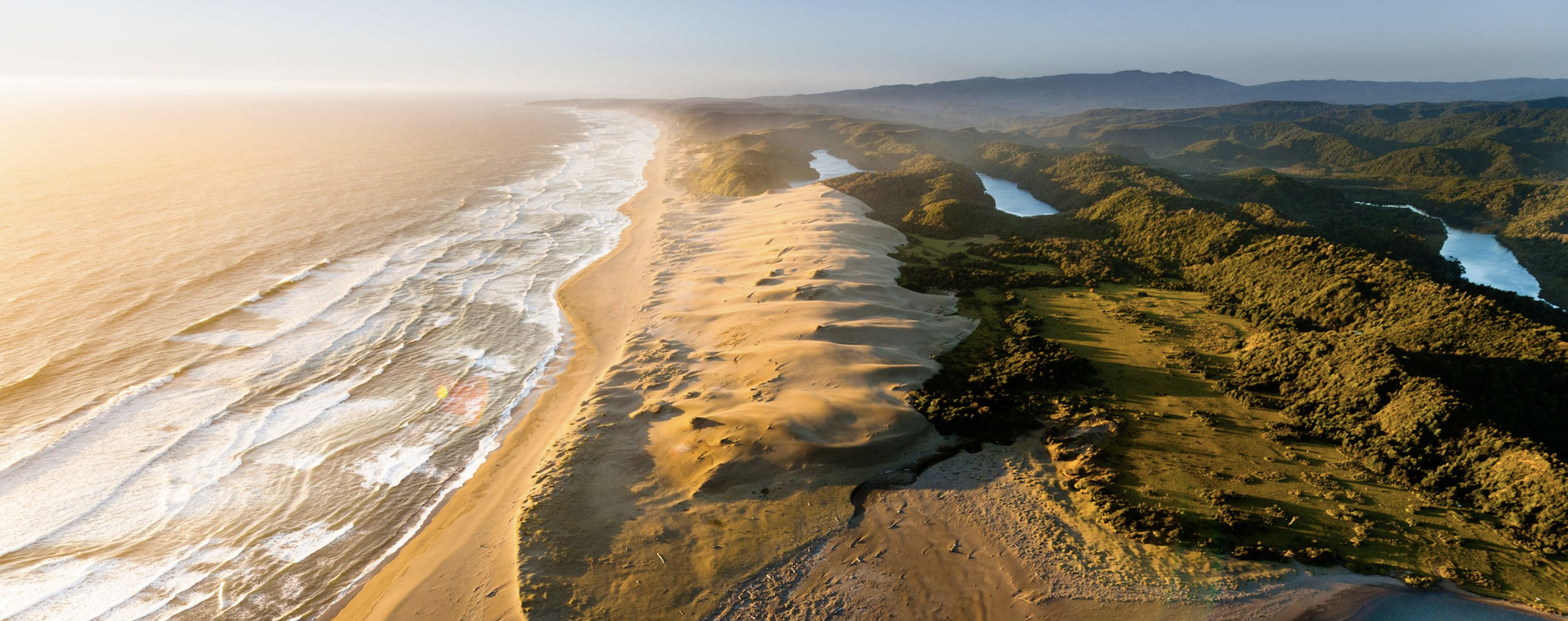
The Selva Valdiviana, in southern Chile and Argentina, is the world’s second largest temperate rainforest. Although temperate rainforests don’t receive the same attention as their much warmer brothers, tropical rainforests, they are hotspots of biodiversity in their own right. Arriving in the Selva Valdiviana is incredible – one of the greenest places on the planet, it’s wet and cloudy almost all the time, and it rains for what feels like months straight in the winter. The Selva Valdiviana is home to numerous unique plant and animal species, like the pudú, the world’s smallest deer, and the copihue, a small bell-shaped flower whose fruits are edible.
The Valdivian forests span from moderately wet forests in the northern and inland parts of the ecoregion to some of the wettest non-tropical areas on Earth in the south and along the Pacific coast. Visually, the Valdivian forests are beautiful – they’re cut by deep, fast-flowing rivers, and snow-capped volcanoes rise above. Some of the world’s most famous whitewater rushes through the volcanic canyons, and unrivaled fly fishing is located here in the clear, clean rivers. The impassability of the land means that some parts of it remain unsullied by human exploitation. But the race is on to keep it that way.
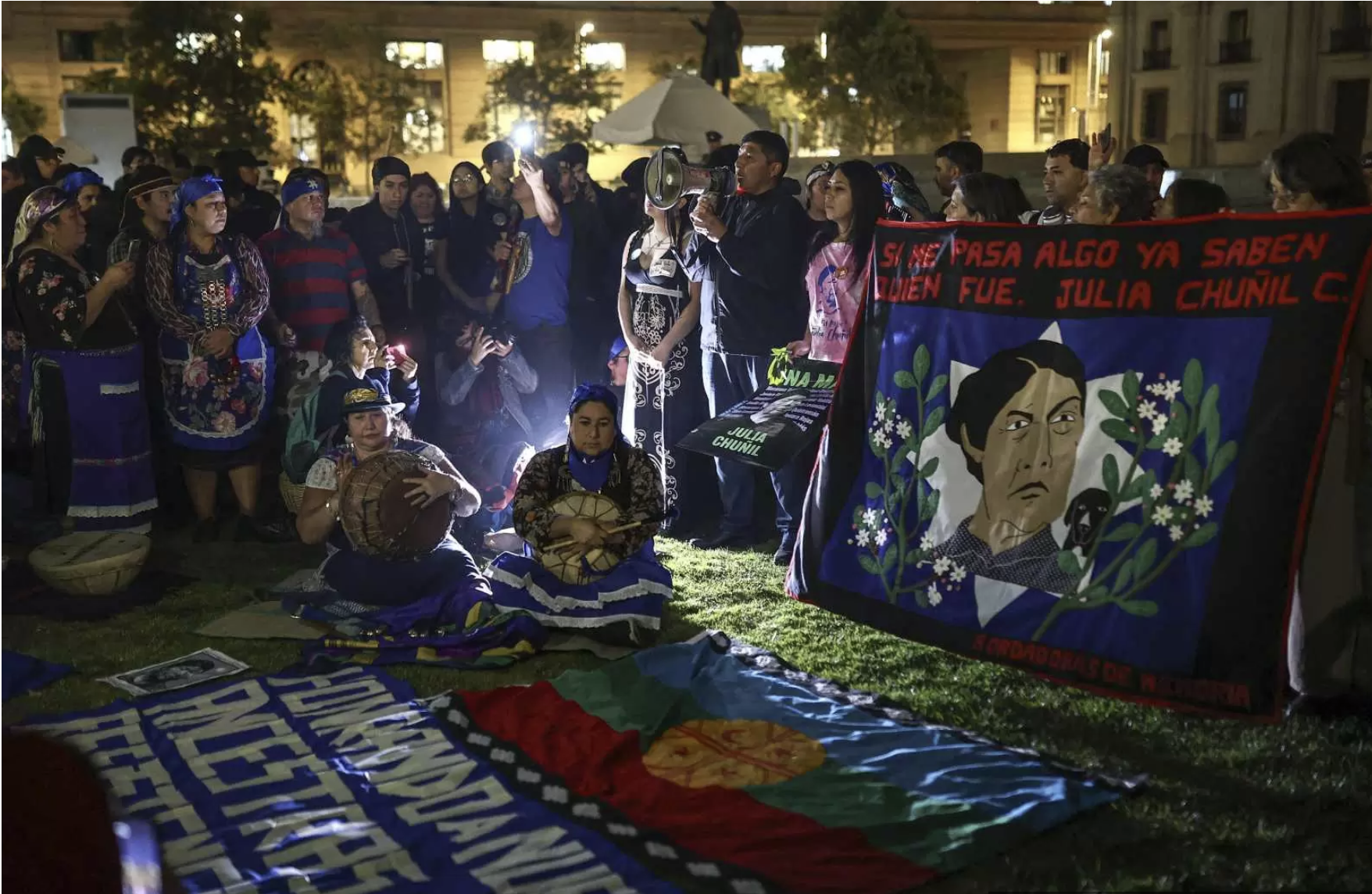
In 2024, Julia Chuñil, a 74-year-old indigenous Mapuche activist and leader of the local Putreguel Mapuche community, disappeared in the Selva Valdiviana, in a disputed piece of land known as Reserva Cora Número Uno-A. The land is the subject of an ongoing dispute between the Mapuche community and a logging company named Ganadera Juan Carlos Morstadt Anwandter E.I.R.L.. CONADI, a Chilean government agency whose job is to support the development of the indigenous people of Chile, bought the land on behalf of the local Mapuche community in 2011, but in 2015, a judge annulled the purchase. The Mapuche community, along with CONADI, claim their money was never returned and that the annulment is invalid. A court ordered Morstadt to return CONADI’s payment for the land, but he refused, even after an appeals court upheld the requirement for payment. The logging company owned by the Morstadt attempted to begin cutting the trees after the annulment of the purchase. However, Chuñil and other native activists resisted the action, settling in the disputed piece of land. After this, Chuñil went missing. Immediately, her disappearance was seen as suspicious, as her family alleges Morstadt had made threats against her after she settled on the land. Chuñil had said “If anything happens to me, you know who it was,” presumably in reference to Morstadt. Additionally, footprints thought to be hers and tire tracks were found near an abandoned cabin on the land.
In the 11 months since Chuñil’s disappearance, there have been protests, often using the slogan “¿Donde Está Julia Chuñil?”(“Where Is Julia Chuñil?”). Recently, lawyers for Chuñil’s family claim to have intercepted a telephone call by Morstadt, where he stated “La quemaron” (“They burned her”). This has renewed discussion over the status of indigenous rights and protection of land defenders in Chile from extrajudicial action.
In 2022, Chile’s government, led by president Gabriel Boric, signed the Escazu Agreement, a treaty among the nations of Latin America concerning the environment. This treaty was written partially in response to the danger faced by environmentalists in Latin America, and its Article 9 contains a provision binding nations to protect defenders of the environment:
“Each Party shall also take appropriate, effective and timely measures to prevent, investigate and punish attacks, threats or intimidations that human rights defenders in environmental matters may suffer while exercising the rights set out in the present Agreement.”
Julia Chuñil’s son petitioned the Committee to Support Implementation and Compliance of the Escazú Agreement, which found Chile to be in violation of the agreement, and activated the treaty’s rapid response mechanism for the first time ever. Critics of the agreement have, however, pointed to its failures in preventing cases like Chuñil’s, alleging it to be too weak or poorly implemented.
The case of the Selva Valdiviana and Julia Chuñil highlights an ongoing tension, especially in Chile and South America, where interests often clash over the status of natural resources. Native groups and environmentalists favoring conservation have frequently been targeted extrajudicially by representatives of the extractive industries. Latin America in particular is the world’s most dangerous place for environmental activists. Global Witness, an organization that tracks murders and disappearances of land defenders and environmental activists, has reported 146 people killed or disappeared in 2024. Of these, 119 were in Latin America. This number is likely a major undercount, but it demonstrates the danger to activists in Latin America.
At the same time, extractive industry is central to Chile’s economy, with mining and forestry two of the country’s biggest industries. In 2023, copper made up about half of Chile’s exports, and forestry products contributed about 14% to exports. In addition, Chile is the world’s largest producer of iodine and the second-largest producer of lithium. The interests of these industries have frequently been at odds to the people native to the land, but it’s difficult for the state to act against the extractive industries, since they fill the national coffers, and in Chile have been a major driver of the nation’s economic success, with continued GDP growth and one of the highest average salaries in the region. In the end, it falls to local governments and policymakers to ensure sustainable development and protect the communities native to the land.

