
By Kaashvi Ahuja
65 million people and one-fifth of the world’s biodiversity, including 40 percent of the ocean’s coral reefs, are currently trapped on the very frontlines of a massacre of our own making. Decades of relentless burning, ignorance, and political neglect now unfold in real time, culminating in a reckoning that is punishing those least responsible for its cause.
When climate change was dismissed as “the greatest con job ever perpetrated on the world” before the United Nations General Assembly, the statement was less surprising than it was emblematic. It reflected a persistent trend among major powers to sacrifice long-term climate governance in favor of short-term political or economic interests. For many states, particularly members of the Alliance of Small Island States (AOSIS), such rhetoric reveals a widening gap between those who can delay action and those who cannot afford to.
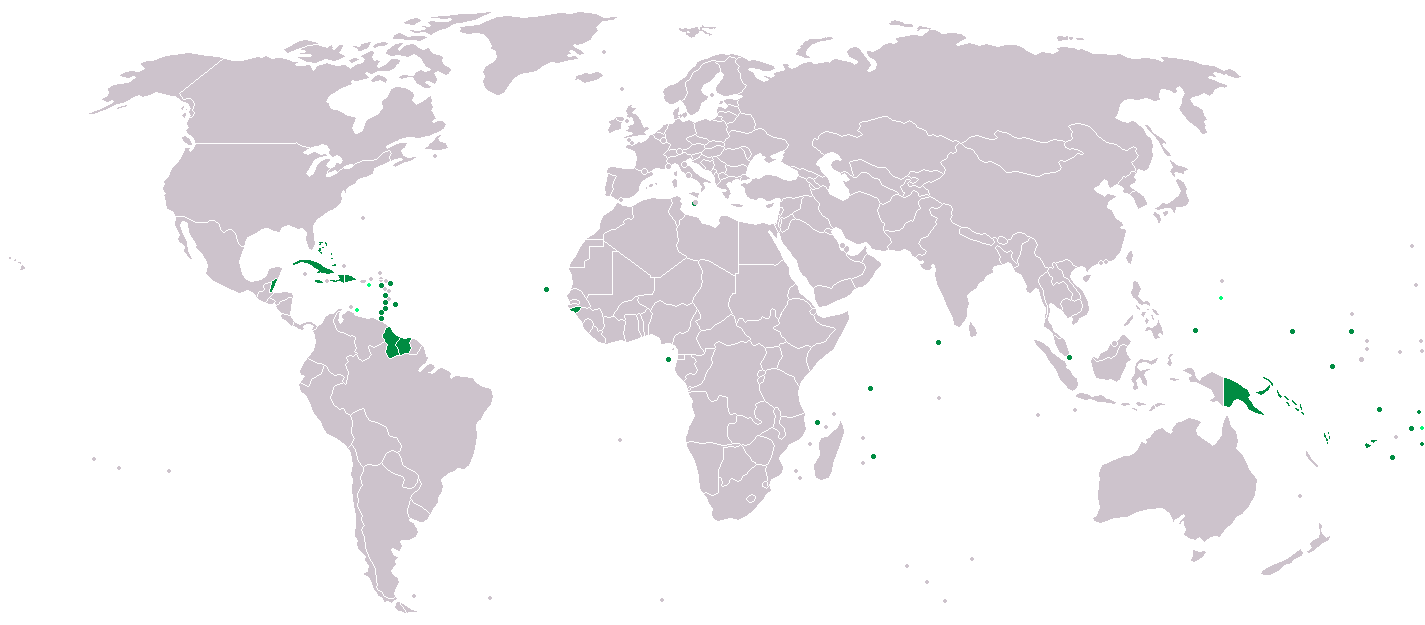
AOSIS, representing 39 low-altitude, climate-vulnerable nations, occupies a distinct position in global climate politics. Though lacking the material power traditionally associated with international influence, the coalition has consistently shaped the discourse on equity, adaptation, and responsibility. Since its founding in 1990, AOSIS has framed climate change not only as an environmental issue but as a matter of sovereignty, development, and survival. Through coordinated diplomacy, it helped secure recognition of “loss and damage” in the Paris Agreement, as stated under Article 8, which calls for a cooperative and facilitative approach among parties to address climate change-related loss and damage, emphasizing support for vulnerable countries. Later, the establishment of the Loss and Damage Fund at COP27 demonstrated how resilience can emerge from communities with structural vulnerability.
The contrast between the relatively recent U.S. withdrawal from climate commitments and the sustained engagement of small island states illustrates a reconfiguration of global climate leadership. In an era marked by geopolitical fragmentation and selective multilateralism, AOSIS exemplifies how coalitions of the vulnerable can exert disproportionate normative influence. By coupling moral authority with procedural expertise, AOSIS has maintained agenda-setting power within the UN Framework Convention on Climate Change (UNFCCC) and related forums. Its diplomacy relies less on coercion than on coalition-building, framing climate in terms of existential risk and distributive justice.
This model of engagement holds lessons for other regions facing acute climate threats. Coastal and deltaic nations in South Asia, West Africa, and Latin America could replicate the AOSIS approach: developing regional blocs that aggregate bargaining power, coordinate adaptation financing, and articulate shared security narratives. Such structures would not only amplify collective influence in negotiations but also create mechanisms for resource-sharing, insurance pooling, and technical collaboration.
Moreover, AOSIS proves that true legitimacy in international and climate affairs arises from moral clarity, not material strength. In an era when great-power politics often erodes trust in multilateral institutions, the alliance’s persistence offers a framework for rebuilding credibility through principled cooperation. Its success illustrates that small states, when organized and united around coherent normative goals, can reshape the parameters of global governance.
As climate change intensifies and political will among major greenhouse gas emitters fluctuates, AOSIS remains an essential reminder that international leadership is no longer synonymous with size or strength. The capacity to articulate a shared vision for survival and embed it in institutional practice may yet define the future of the global climate regime.

