
By Eva Zeltser and Anonymous
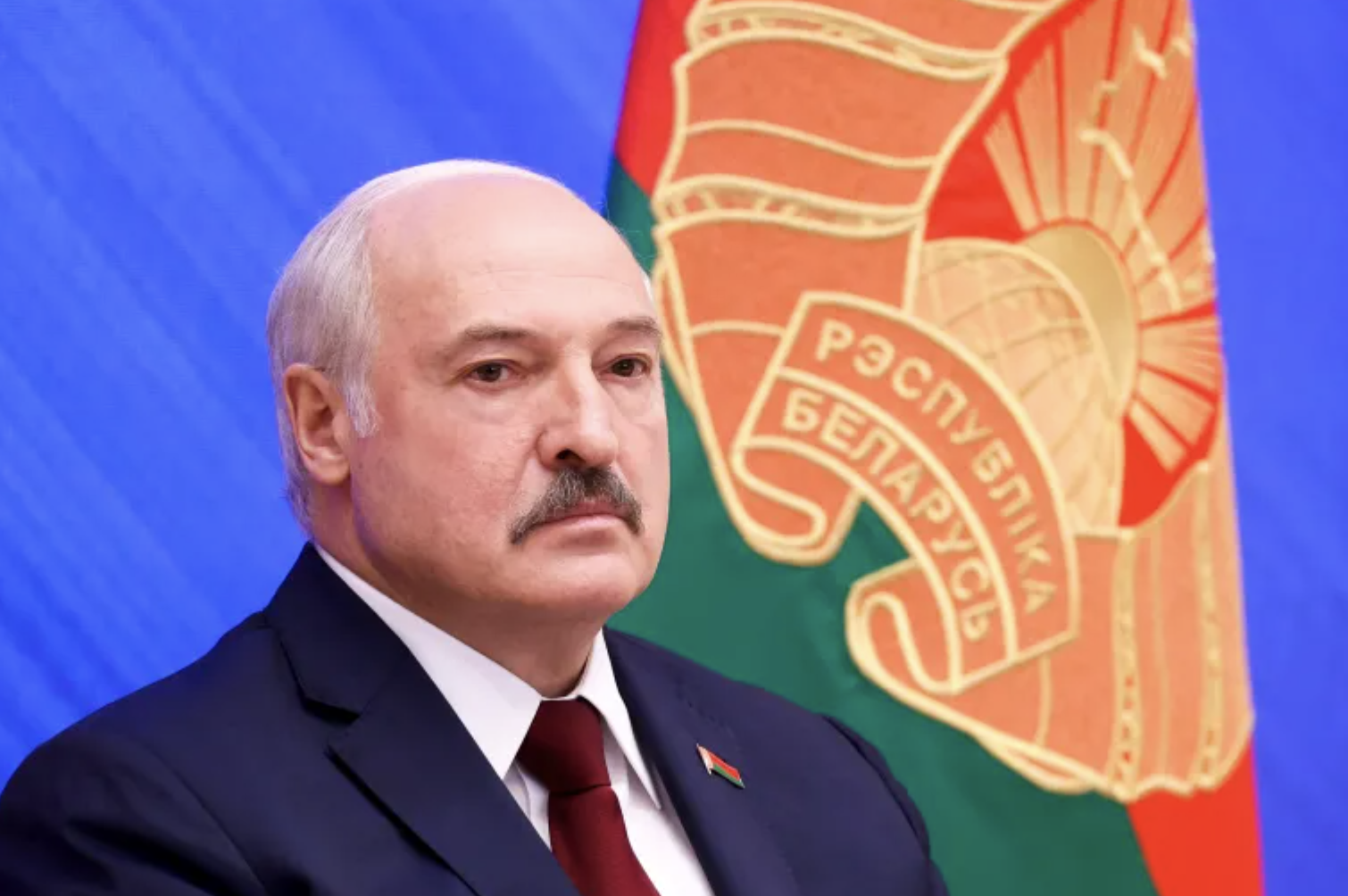
Since 2020, Belarusian authorities have arbitrarily detained over 50,000 people for being linked to peaceful protests, with nearly 1,200 political prisoners remaining behind bars. As of 2024, the government has designated roughly 6,500 online resources as “extremist,” subjecting its users to criminal penalties. Reports from former prisoners and human rights institutions show widespread torture, isolation, and health risks inside prisons. These accounts, only a handful among countless others, reveal the authoritarian underpinnings of modern Belarusian society and highlight the need for a pragmatic approach to achieving change within the country.
This change can be achieved by combining two methods. One, the top-down approach, focuses on using international institutions to pressure the Belarusian government into taking pro-democratic actions. The second, a bottom-up method, ensures that the drive for democratic change in Belarus develops internally, within civil society, as much as externally.
The Emergence of the International Front
One of the strongest leaders of the top-down approach is Sviatlana Tsikhanouskaya. After her husband’s arrest for challenging Belarusian President Aleksandr Lukashenko’s decades-long rule, Tsikhanouskaya emerged as the leading figure of Belarus’s democratic opposition. Forced into exile in Lithuania following her victory against Lukashenko during the 2020 elections, Tsikhanouskaya has spent the last five years building international support for a free Belarus.
Under her stewardship, 35 countries, including most of Europe, the U.S., and Canada, have refused to recognize the legitimacy of Belarus’s recent elections. Belarus now has a voice in key security and economic forums, and 30 countries have joined an alliance advocating for democratic reform in the country. These diplomatic achievements are significant: with increasing international support for democratic change in Belarus, it becomes easier to exert pressure on the country.
Diplomatic Limits
Yet, several institutional and geopolitical barriers limit the impact of high-level diplomacy in Belarus.
Belarus’s refusal to ratify the treaty establishing the International Criminal Court (ICC) means traditional international justice mechanisms have no jurisdiction in the country, making it nearly impossible to hold officials accountable for crimes and abuses. Recently, Lithuania, which falls under the ICC’s jurisdiction, requested that the Court investigate Belarusian human rights abuses allegedly committed on Lithuanian territory. However, it is unclear where ICC jurisdiction begins and ends, complicating the institution’s ability to hold Belarus accountable.
Furthermore, Belarus refuses to cooperate with the UN and the Organization for Security and Co-operation in Europe, which limits domestic and international monitoring of abuses in the country. Additionally, European governments have struggled to create a unified front against Lukashenko. In early 2025, an EU statement condemning Lukashenko’s regime and fraudulent elections was ultimately blocked by Hungary.
Lastly, Belarus’s economic and military ties to Russia likely deter other countries from taking decisive action against Lukashenko’s regime, which has long sought a reciprocal relationship with Russia as an ally. Foreign involvement in Belarus may aggravate Russian President Vladimir Putin, who has used Belarusian territory in his war on Ukraine and recently enhanced the two countries’ defense pact to stave off Western aggression.
This isn’t to say high-level actions are ineffective. It is nearly impossible to enact fundamental reforms in a country, especially one like Belarus—where political opposition is promptly silenced—when there is a gap in international support. However, this top-down approach is limited in its direct access to the Belarusian people, a gap that civil society seeks to fill.
Civil Society in the Crosshairs
Today, Belarusian civil society organizations (CSOs) operate under significant limitations, facing harassment, criminalization, and financial restriction both domestically and in exile. The government frequently shuts down independent groups, labels CSOs as “extremists” or “terrorists,” and threatens individuals associated with them. As a result, nearly 2,000 CSOs have been liquidated since 2020.
Despite these barriers, Belarusian civil society has remained resilient. Following the 2020 crackdown on the democratic movement, grassroots mutual aid networks, informal neighborhood groups, and online communities have emerged as vital support systems. To sustain and strengthen civil society, several key actions are needed:
- Stronger protection for CSOs abroad
Reporting requirements imposed by foreign donors can expose CSO members to security risks, as Belarusian authorities use this information to target involved individuals. Furthermore, many liquidated Belarusian CSOs seek to re-establish themselves abroad, a process made challenging, as visa and registration requirements in host countries can expose stakeholder identities. Governments that financially support or host Belarusian CSOs should focus on streamlining this process and consider exemptions from certain legal demands, such as disclosing physical addresses or member identities, to ensure the safety of organizations and their involved individuals.
- Long-term, flexible funding
While project-based funding from international bodies like the EU is valuable, its short-term and conditional nature forces CSOs into continuous application processes, hindering their ability to plan for long-term projects. Sources that allocate funding to these organizations should focus on longer-term assistance, which is less contingent on specific projects and more focused on overarching organizational missions.
- Investment in local and informal initiatives
Local initiatives play a crucial role in Belarus’s pro-democracy movement. Unlike large-scale organizations, they are closely tied to the issue at hand and thus better positioned to understand the unique contexts. To ensure these movements can provide their services, continued financial support is integral. Opportunities for these exist through avenues such as the Human Rights Foundation’s Press Freedom Defense Fund, which allocates money for independent Belarusian journalists and media outlets under the attack of Lukashenko’s regime.
Over five years after Belarus’s most severe crackdown on opposition forces, Lukashenko shows no signs of easing his repression. It remains vital that action is taken on all fronts to ensure the continued strength of Belarus’s democratic movement. Change in Belarus will not come easily or quickly, but sustained pressure from the international community and support for local civil society can lay the groundwork for progress.

