
By June Myint
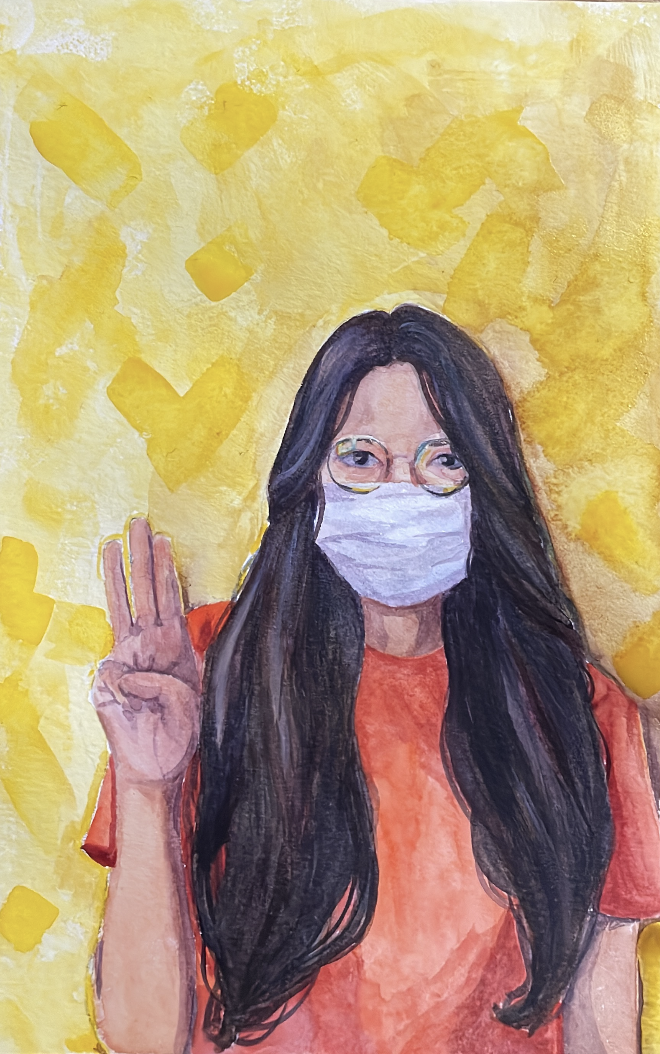
Thethar Thet is a Myanmar advocate who works in climate change and is currently based in New York. The following interview is a conversation highlighting her lived experience during the 2021 Myanmar coup, the impact of her activism, and advice for the international community concerning approaches towards human atrocities in foreign countries.
How were you involved in the civil uprising movement?
My involvement took two forms: physically protesting and digital activism. My first protest was on February 9th, 2021, when I went to one of the city centers for one of the first major demonstrations. When the internet was cut, we used group phone calls to coordinate [protests]. I joined demonstrations around embassies and international spaces.
Online, I used Instagram, Twitter, and Facebook to post eyewitness accounts, safety resources, and documentation of abuse. I worked with Burmese people abroad to amplify our message and coordinate calls for global action. I posted every day until I left the country and continued activism from exile.
What motivated you to be so active instead of staying silent for safety reasons?
When Aung San Suu Kyi, a key Burmese political leader and diplomat, came to power, it felt like the door to the world had opened slightly for Myanmar. The 2021 coup felt like the military trying to slam that door shut again.
Speaking out was a moral imperative. Staying silent felt like complicity. The coup threatened our rights and livelihoods. Collective action mattered—visibility and solidarity protected people in ways silence couldn’t.
Protestors in Myanmar used so much innovation and creativity in their methods of resistance. Can you tell me more about this?
Art played a huge role. People came up with incredibly creative forms of protest. Digital art, murals, songs, and videos all helped communicate emotion and solidarity in ways facts couldn’t. Art humanizes movements and builds shared symbols. The three-finger salute came from The Hunger Games and became viral. Art makes resistance contagious—it sustains morale and grabs global attention.
Can you share any personal stories that touched you deeply during your time in Myanmar?
My friend, Ko Yaw Mang, worked with me at the UN. He called me from Chin State and told me, “You should go to the U.S., study; help us from the outside. When we win the war, we’ll need people like you to grow the trees again.”
That phrase—“grow the trees again”—means so much to me. It reminds me that my role now is to help rebuild, even from afar.
Now that you’re in New York, how can the global community help the people of Myanmar and “grow their own trees”?
Fund local civil society and community organizations, give unrestricted funding, and trust local leadership. Amplify verified testimony from within Myanmar, and don’t speak over local voices. Support local organizations that have been doing the work before, during, and after the coup. If you care about human rights globally, take moral responsibility and engage meaningfully.

