
By Daniel Figueroa
The bloqueo–the U.S. embargo on Cuba imposed in 1962–has long shaped the island’s economy and society. It restricts nearly all trade, financial transactions, and investments between the U.S. and Cuba. While originally framed as a political tool to fight communism and promote democratization, its largest impact has been on everyday life, particularly in public health. The COVID-19 pandemic exposed these vulnerabilities, showing how economic isolation easily translates into health insecurity.
After the 1959 Cuban revolution brought Fidel Castro to power, Cuba invested heavily in public health infrastructure, including primary care clinics, preventative medicine, and free access to care. These new developments became a source of pride: “We were proud of our healthcare system, which was first-rate in many regards like primary care, life expectancy and so much more”.
Despite this, the end of Soviet subsidies in 1991 triggered the Special Period: an economic depression that weakened health services and brought the country to the brink of famine. Although humanitarian goods like food and medicine are still exempt, complex licensing and shipping restrictions make their distribution difficult. This was very difficult for the majority of Cuban citizens: “ During that time, we were forced to cut corners everywhere, and everything; medicine, food, technicians, disappeared.”
The Special Period ended in 2000. However, the Covid-19 pandemic combined with another economic crisis following a pause in Venezuelan oil exports has presented Cuba with a situation similar to the Special Period, as falling incomes and budget austerity have led to supply shortages and strained the health system. Even with strong infrastructure, the system is showing disruptions in treatment and care. This has prompted limited available healthcare: “We tried to take our aunt to the hospital when she got sick, but there were no ambulances to take her, even when we tried to bribe a driver. With a wage of $30 USD monthly, how can you expect care when doctors have trouble providing for themselves?”
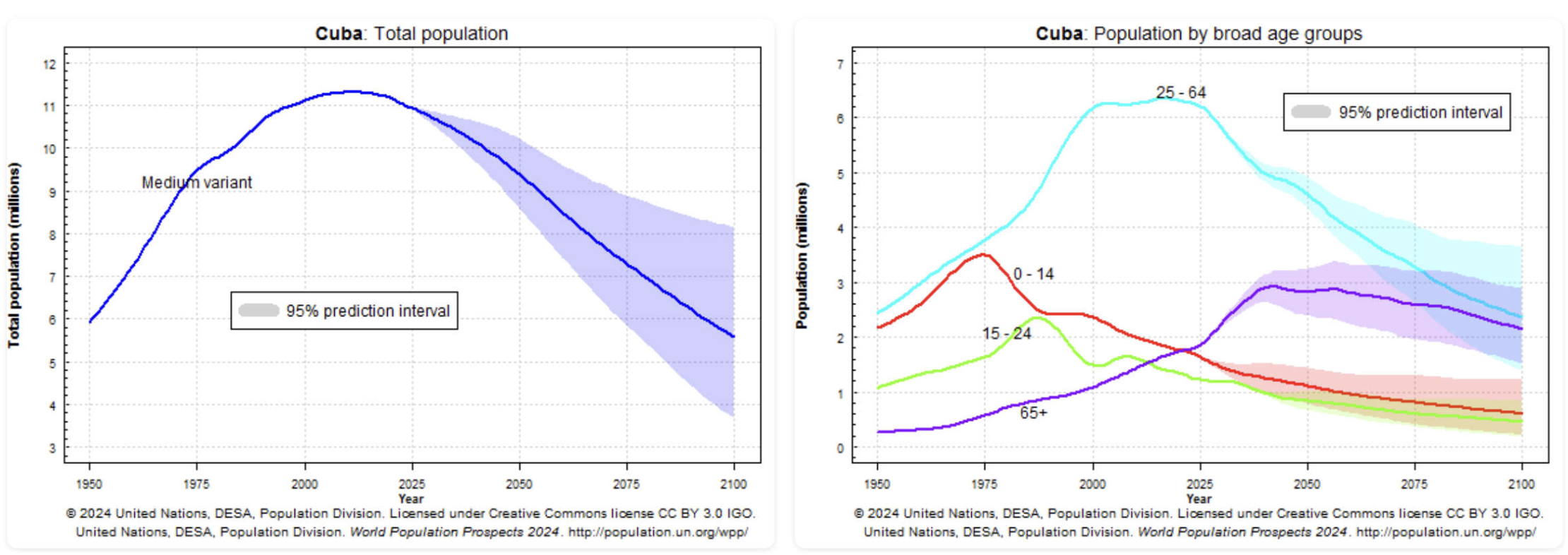
Furthermore, over 70 percent of medicines on Cuba’s “Basic Drug List”, many deemed essential by the U.N., are severely undersupplied.The same applies to food imports, which provide 75 percent of the country’s food supply. Fearing sanctions, Cuba is forced to purchase food through intermediaries at inflated prices. The state rationing system, the cornerstone of Cuba’s welfare model, has slashed bread rations to 60 grams a day, pushing households to informal markets with unaffordable prices.The result has been the exodus of over 1.5 million people since 2020, accompanied by a loss of faith in governing institutions and widespread food/health insecurity, with no end in sight.Among many causes for this crisis, two stand out. First, the U.S. embargo, which has isolated Cubans for so long that most know no alternative. Second, the Cuban government, which has resisted reforms that could promote democratic governance or economic freedom, either of which would help alleviate the crisis. Many citizens feel trapped between these forces, punished by one and neglected by the other, leaving an uncertain future.

